How to Handle PvP Conflict Without Losing Your Campaign (or Your Friends)
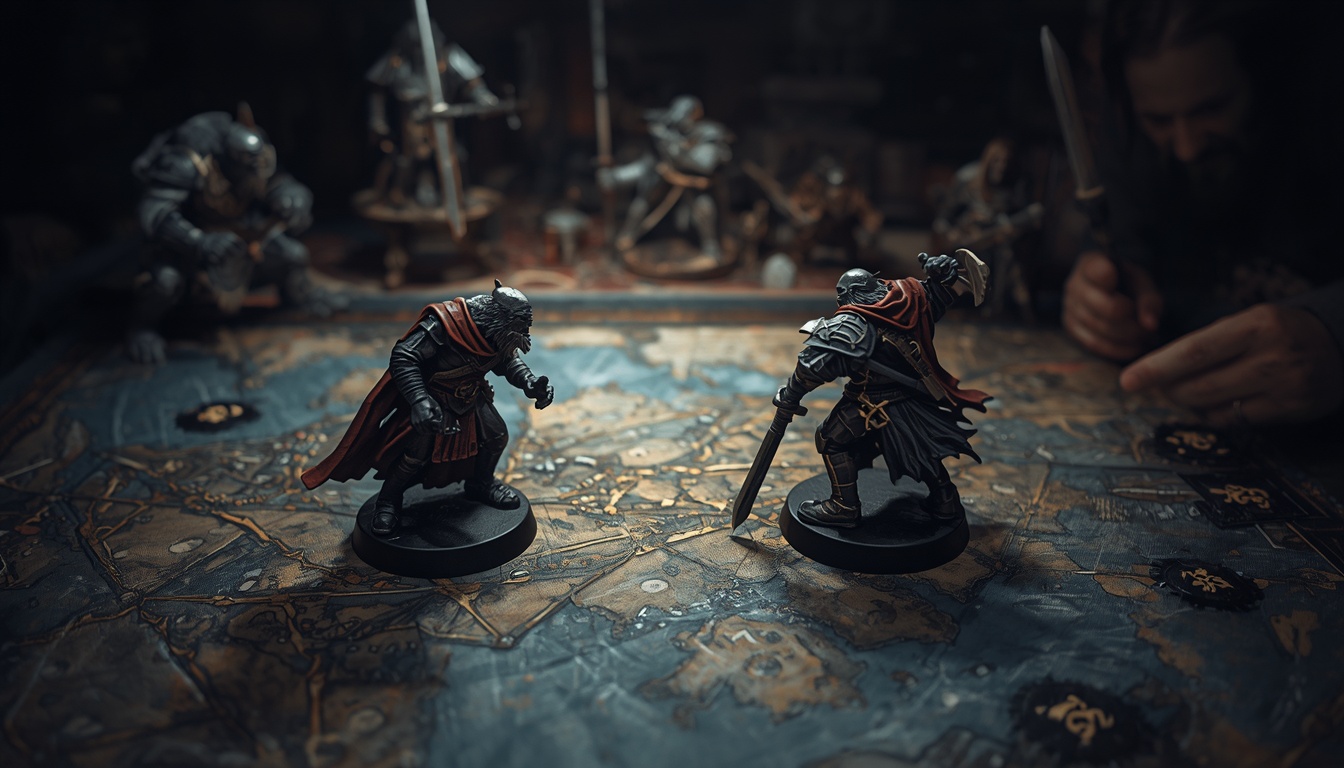
You know that feeling when a session that should’ve been about looting a dragon’s hoard turns into two players glaring at each other over “who really started it”? Yeah. That one.
Hot take: PvP conflict doesn’t kill campaigns. Badly handled PvP conflict kills campaigns. Big difference. One is a mechanic. The other is a table full of people who used to be friends checking their phones during combat because nobody wants to be there anymore.
I want to tell you about a table that almost didn’t make it. A paladin. A rogue. A grudge that started over stolen gold and ended with someone standing up from the table mid-session. And how that table came back from the brink using nothing fancier than a couple of tools you probably already own.
Guess what? You can steal this. That’s the whole point.
The Incident: When “In Character” Stops Being a Shield
Picture it. Two years into a homebrew campaign. A paladin player, let’s call the character Aldric, built his whole arc around Being The Good One. A rogue player built his character, Voss, around being a professional liar who steals first and philosophizes never.
For eighteen sessions this worked. Great dynamic, actually. Classic odd-couple energy, the kind Baldur’s Gate 3 built half its marketing around.
Then Voss stole from the party’s shared treasury. Not from an NPC. From Aldric. Directly. On screen.
Aldric’s player did not hesitate. He drew steel. In-character. At the table. And here’s the trick question: was this good roleplay or a table on fire? Answer: yes. Both. At the same time.
That’s the trap. The scene was, mechanically, exactly what these two characters would do. But the GM had never asked either player how far “in character” was allowed to go. No lines. No veils. No shared map of “how bad can this get before someone taps out.” So when Voss’s player felt genuinely blindsided by a combat encounter he didn’t sign up for, that discomfort didn’t stay in the fiction. It walked straight into real life. He stood up. He left the table for ten minutes. The session basically died.
This is the moment most GMs panic and either ban PvP outright forever, or pretend nothing happened and hope it doesn’t come up again. Neither of those is the move.
Method One: Sort the Conflict Before You Try to Solve It
Not all PvP is the same monster, and treating it like one blob is why so much advice out there falls flat. Before you can fix anything, sort what actually happened into one of four buckets:
- Mechanical conflict. A spell, an ability, or an action that directly messes with another player’s character. Think a wizard casting something on an ally without asking first, or a bard using a debuff against a party member mid-fight.
- Roleplay disagreement. Characters clash over morals, tactics, or vibes. Nobody’s stabbing anybody. It’s just tension.
- Resource disputes. The classic “who gets the magic sword” argument, or in Aldric and Voss’s case, straight-up theft from the party pot.
- Real-world bleed. The conflict stops being about the characters and starts being about the actual humans at the table.
Aldric and Voss started at bucket three and rocketed straight into bucket four in about ninety seconds. That’s the danger zone. Once real-world bleed kicks in, the fix isn’t a better combat rule. It’s a conversation.
Sort your incident into a bucket first. It tells you exactly which tool to reach for next, instead of throwing every safety tool you own at a problem that might just need one honest sentence between two players.
Method Two: Lines, Veils, and the Contract Nobody Signs Until It’s Too Late
Here’s a term worth knowing: lines and veils. It’s not new. It traces back to a game designer named Ron Edwards, who wrote about it back in 2003. A line is something the table agrees never happens, full stop. A veil is something that can exist in the story but happens off-screen, no gory detail required.
Most tables that skip this step aren’t lazy. They just don’t think PvP needs the same safety conversation as, say, torture scenes or heavy themes. But PvP is exactly where it matters most, because it’s the one kind of conflict where a player’s own friend is holding the knife.
The fix for Aldric and Voss’s table wasn’t complicated. After the session that fell apart, the GM ran a mini session zero. Fifteen minutes. Three questions:
- Can PvP combat happen at all, and if so, does it ever end in character death?
- If a player feels blindsided, what’s the signal to pause the scene?
- Are there specific moves (theft, betrayal, public humiliation) that need a heads-up first?
Turns out Voss’s player was totally fine with theft as a plot device. What he wasn’t fine with was getting ambushed by an unplanned combat encounter with zero warning. Small distinction. Huge difference in outcome.
One writer covering safety tools put it well: over-relying on these tools can flatten a game into something too careful to be interesting, but under-using them leaves people with no way to protect themselves. That’s the needle you’re threading. Not “ban all conflict.” Just “make sure everyone agreed to be here.”
Method Three: Give the Grudge Somewhere to Go
Once the lines were drawn, the table needed a way to actually let Aldric and Voss’s beef play out instead of quietly festering under the surface for six more sessions (worse option, trust me).
The move here is old and it works: take the personal grudge and give it an in-world container. A tournament. An arena. A sanctioned duel hosted by some faction that would absolutely have a stake in two adventurers settling a score publicly.
This does three things at once:
- It gives both players explicit consent going in. Nobody’s ambushed.
- It gives the GM control over stakes. No accidental death of a two-year character over a session-zero oversight.
- It gives the story a reason to exist. The duel becomes a scene, not a derailment.
For this table, the GM built out a small side-plot where a local merchant guild sponsored underground duels, and Aldric challenged Voss to settle the theft “with honor” instead of a knife in the dark. Both players opted in. The fight happened. Nobody’s character died, because that was agreed beforehand. And the scene became one of the most talked-about moments of the whole campaign afterward, which is the opposite of what almost happened three sessions earlier.
Not every grudge needs an arena. But every grudge needs somewhere sanctioned to go, instead of erupting sideways during an unrelated dungeon crawl.
Method Four: The Part Nobody Talks About: What You Do the Week After
Okay, this is the section basically nobody writes about, and it’s the one that actually saved this campaign.
A blowup happens. You patch the immediate fire. Great. But what about next session? The two players still have to sit at the same table. The GM still has to run a game where these two characters interact constantly.
Here’s what worked:
Address it once, briefly, out of character, before diving back in. Not a therapy session. A thirty-second check-in at the top of the next session. “Hey, we good? Anything either of you need going forward?” That’s it. Most players just want to know the GM noticed and cares.
Don’t force reconciliation between the characters if the players aren’t ready. Aldric and Voss stayed cold toward each other in-fiction for a few sessions. That’s fine. Real friendships don’t fix themselves instantly and neither do fictional ones. Forcing a hug scene because it’s “cleaner for the story” usually just feels fake.
Watch for the pattern, not just the incident. One blowup is a bad night. Two blowups from the same pairing is a structural issue that needs its own conversation outside the game entirely.
This is the repair work that turns “we almost quit the campaign” into “remember that arc with Aldric and Voss, that was one of the best parts of the whole game.” Same incident. Completely different outcome, depending entirely on what happens in the following two weeks.
Why This Matters More Than Ever
This isn’t a niche problem either. The hobby is bigger than most people realize these days, with industry estimates putting the tabletop RPG market in the billions and still climbing fast, and tens of millions of players worldwide keeping tables running every week. That’s a lot of groups hitting this exact wall, usually with zero warning and zero framework for handling it.
And here’s a thing worth sitting with: safety-tool advocates like the folks at Sly Flourish keep pointing out that giving players a heads-up about what might come up in a campaign, before it comes up, is one of the simplest, cheapest fixes available to any GM. It costs you fifteen minutes. It costs nothing else. Skipping it costs you campaigns.
Don’t Wait for Your Own “Aldric and Voss” Moment
Look, your table probably hasn’t had its blowup yet. Maybe it never will. But if you’re running any campaign where characters have reasons to clash (and if your NPCs and plots have any teeth at all, they will), you owe your table fifteen minutes before the next session where things could go sideways.
Sort the conflict type. Set your lines and veils. Build a sanctioned outlet for grudges instead of letting them detonate during an unrelated fight. And when something does blow up anyway, because it will eventually, handle the week after just as carefully as you handled the night of.
Your players didn’t show up to watch their friendships take collateral damage. They showed up for the story where Aldric and Voss settle their score in front of a cheering crowd, not the one where somebody quietly stops showing up on Fridays.
Run that session zero conversation this week. Not next campaign. This one. Your table will thank you, possibly without even realizing why.

Posted on July 22, 2026, in Blog. Bookmark the permalink. Leave a comment.




 Rokk Talk
Leave a comment
Comments 0