Author Archives: Donny Rokk
Handling Absentee Players
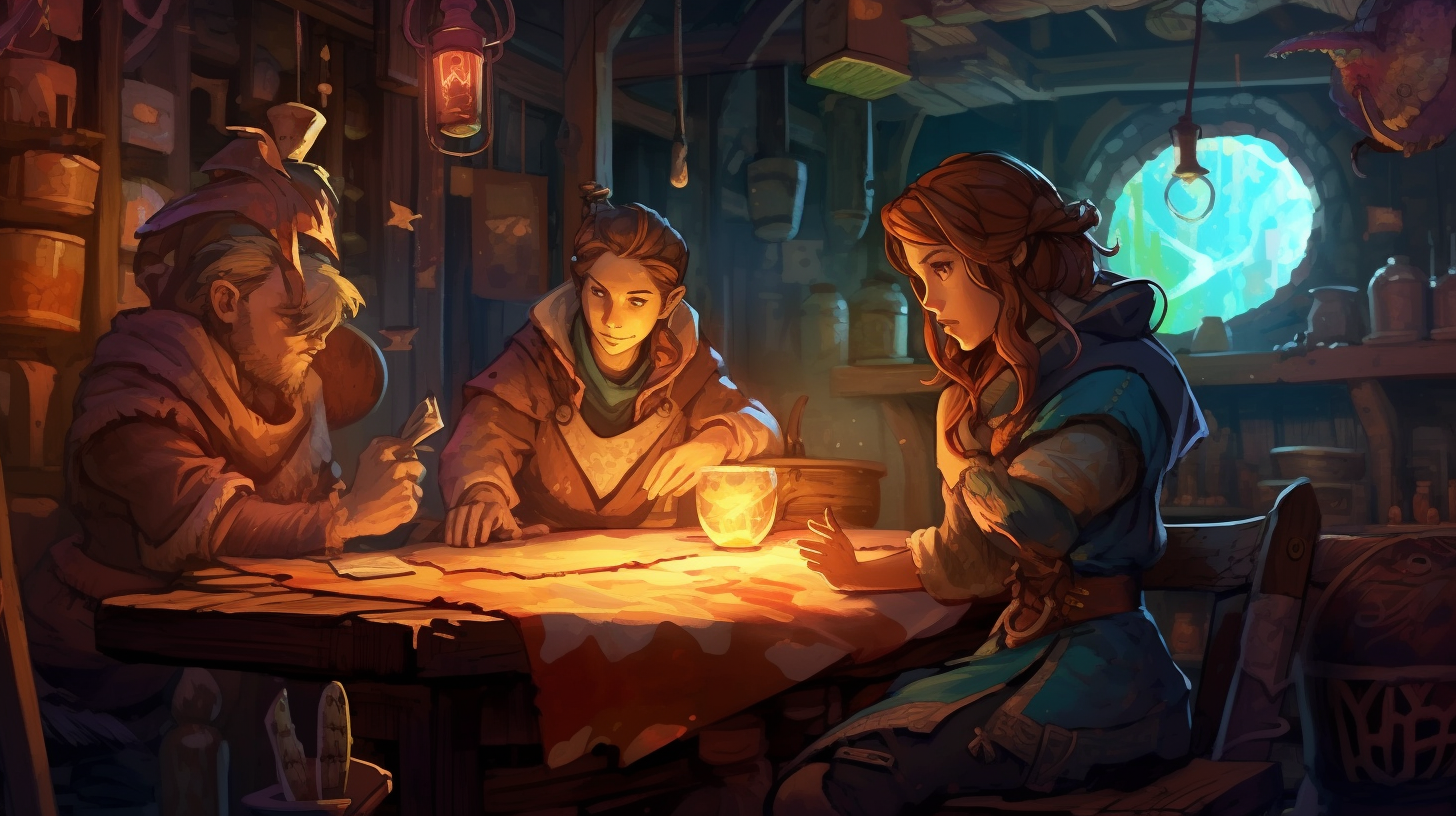
Are you a Dungeon Master (DM) or Game Master (GM) who often encounters the challenge of absentee players in your role-playing game (RPG) sessions? It can be frustrating when players can’t attend the game, but fear not! In this article, we will provide you with valuable tips and strategies to effectively handle absentee players and ensure an engaging and immersive experience for everyone involved.
Table of Contents
- Introduction: Dealing with Absentee Players
- Setting Clear Expectations
- Preparing Alternative Adventures
- Incorporating Absent Players’ Characters
- Encouraging Communication and Feedback
- Balancing the Game
- Utilizing Technology and Virtual Platforms
- Empowering the Present Players
- Conclusion
- FAQs
Introduction: Dealing with Absentee Players
As a DM or GM, it’s crucial to address the issue of absentee players in a way that maintains the enjoyment and integrity of your RPG sessions. When players can’t attend, it can disrupt the game flow and leave gaps in the storyline. However, with the right strategies in place, you can overcome these challenges and keep the excitement alive.
1. Setting Clear Expectations
One of the first steps in managing absentee players is to establish clear expectations from the beginning. Make sure your players understand the importance of attendance and communicate the potential consequences of frequent absences. By setting ground rules and discussing the impact of absenteeism on the overall gaming experience, you can encourage greater commitment from your players.
2. Preparing Alternative Adventures
To ensure a seamless gaming experience, it’s beneficial to have alternative adventures or side quests prepared for situations when players can’t attend. These adventures can focus on other characters or allow the present players to explore different storylines that won’t directly affect the absent players’ progression. This way, the game can continue smoothly, even in the absence of certain individuals.
3. Incorporating Absent Players’ Characters
When a player cannot attend a session, you can still incorporate their character into the game. Designate another player or the DM/GM to temporarily control the absent player’s character, ensuring their presence is felt. However, it’s essential to respect the character’s abilities and motivations, making decisions that align with their established traits.
4. Encouraging Communication and Feedback
Maintaining open lines of communication with your players is vital, especially when absenteeism becomes a recurring issue. Encourage players to inform you in advance if they won’t be able to attend a session. This allows you to plan accordingly and make the necessary adjustments to the story or encounters. Additionally, regularly seek feedback from your players to better understand their availability and preferences.
5. Balancing the Game
When a player is absent, it’s crucial to balance encounters and challenges appropriately. Adjust the difficulty level based on the number of present players to ensure the game remains engaging and fair. Scaling encounters can be achieved by altering the number of enemies, adjusting their stats, or introducing allies to assist the remaining players.
6. Utilizing Technology and Virtual Platforms
In today’s digital age, technology offers various solutions to manage absentee players. Virtual tabletop platforms and communication tools like Discord or Roll20 can be invaluable resources for remote gaming sessions. These platforms allow absent players to participate via video calls, chat, or even control their characters remotely, providing an immersive experience for all players.
7. Empowering the Present Players
When a player is absent, it’s an opportunity to give the present players a chance to shine. Provide them additional responsibilities, such as controlling non-player characters (NPCs), leading the party, or making critical decisions. Empowering the present players creates a sense of agency and encourages their active involvement in the game.
Conclusion
Handling absentee players in RPG sessions can be challenging, but it becomes a manageable task with the right strategies. Setting clear expectations, preparing alternative adventures, incorporating absent players’ characters, encouraging communication, balancing the game, utilizing technology, and empowering present players are all effective ways to ensure a smooth and enjoyable gaming experience for everyone involved.
FAQs
- What should I do if a player frequently misses sessions? Regularly communicate with the player and address their reasons for frequent absences. If necessary, consider discussing the impact on the overall game and potentially finding a solution that suits everyone’s availability.
- Should I punish players for absenteeism? It’s essential to balance encouraging commitment and fostering an enjoyable atmosphere. While consequences can be discussed, it’s generally more productive to focus on creating incentives for attendance rather than punitive measures.
- Can absent players catch up on missed sessions? Depending on the circumstances, you can provide summaries or key information from missed sessions to help absent players stay informed. However, encourage them to participate in future sessions to maintain the immersive experience.
- What if multiple players are absent simultaneously? If multiple players are absent simultaneously, you may consider rescheduling the session or temporarily pausing the campaign until everyone can attend. Alternatively, you can run one-shot adventures or side quests to keep the remaining players engaged.
- How can I prevent absenteeism in the first place? Setting a consistent schedule, discussing expectations from the beginning, and fostering a positive and engaging game environment can help prevent absenteeism. Encourage open communication and emphasize the importance of collaboration and commitment.
In conclusion, managing absentee players in RPG sessions requires careful planning and effective communication. By implementing the tips and strategies outlined in this article, you can ensure that the gaming experience remains enjoyable and inclusive for all participants. Embrace absenteeism’s challenges and opportunities, and let your creativity as a Dungeon Master shine!
Running High-Level Monsters and Encounters
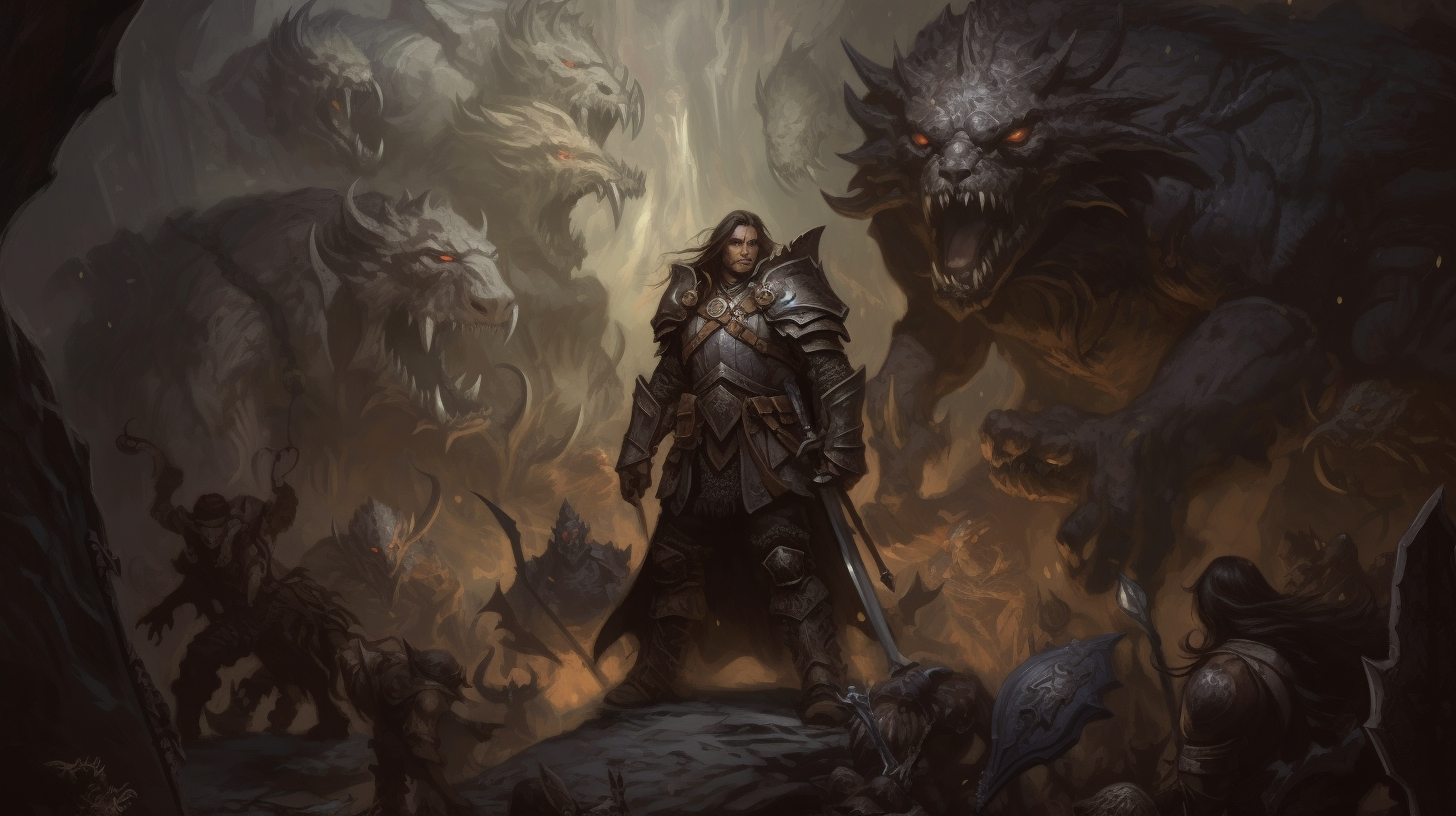
If you’re a Game Master (GM) in a role-playing game (RPG) and want to challenge your players, running high-level monsters and encounters is the way to go. These monsters and encounters are often the culmination of a long campaign and are meant to test the players’ skills and tactics. However, running high-level monsters and encounters can be tricky, especially if you’re not familiar with the rules and mechanics of the game. In this article, we’ll provide some advice on how to run high-level monsters and encounters successfully.
Understanding High-Level Monsters and Encounters
The first step in running high-level monsters and encounters is understanding what makes them different from lower-level ones. High-level monsters are often more powerful, have more hit points, and deal more damage. They also have special abilities and resistances that make them harder to defeat. On the other hand, high-level encounters often involve multiple enemies or complex scenarios that require players to use different tactics and strategies.
Planning the Encounter
Before running a high-level encounter, it’s essential to plan it thoroughly. Start by determining the level and abilities of the players. This will help you decide what monsters and encounters are appropriate for them. Next, choose a suitable location for the encounter. This can be a dungeon, a castle, or an open field. Finally, determine the objectives of the encounter. Are the players trying to defeat a powerful monster or retrieve a valuable artifact?
Choosing the Monsters
Once you’ve planned the encounter, it’s time to choose the monsters. High-level monsters should be challenging but not unbeatable. Choose monsters that complement each other and have unique abilities. For example, if you’re running a high-level encounter in a dungeon, you could choose a group of powerful undead creatures with different resistances and abilities.
Running the Encounter
During the encounter, keeping the players engaged and focused is essential. Ensure they understand the encounter’s objectives and the rules for combat. Encourage them to use their abilities and tactics creatively. Be flexible and adjust the difficulty of the encounter if necessary. Don’t be afraid to let the players fail, but also ensure they can recover.
Conclusion
Running high-level monsters and encounters can be challenging, but with the right planning and execution, it can also be incredibly rewarding. Remember to choose monsters and encounters appropriate for the players’ level and abilities, plan the encounter thoroughly, and keep the players engaged and focused during the game. With these tips, you can create memorable and exciting high level encounters that your players will talk about for years to come.





 Rokk Talk