Stop Reading Your Safety Tools Like Terms of Service
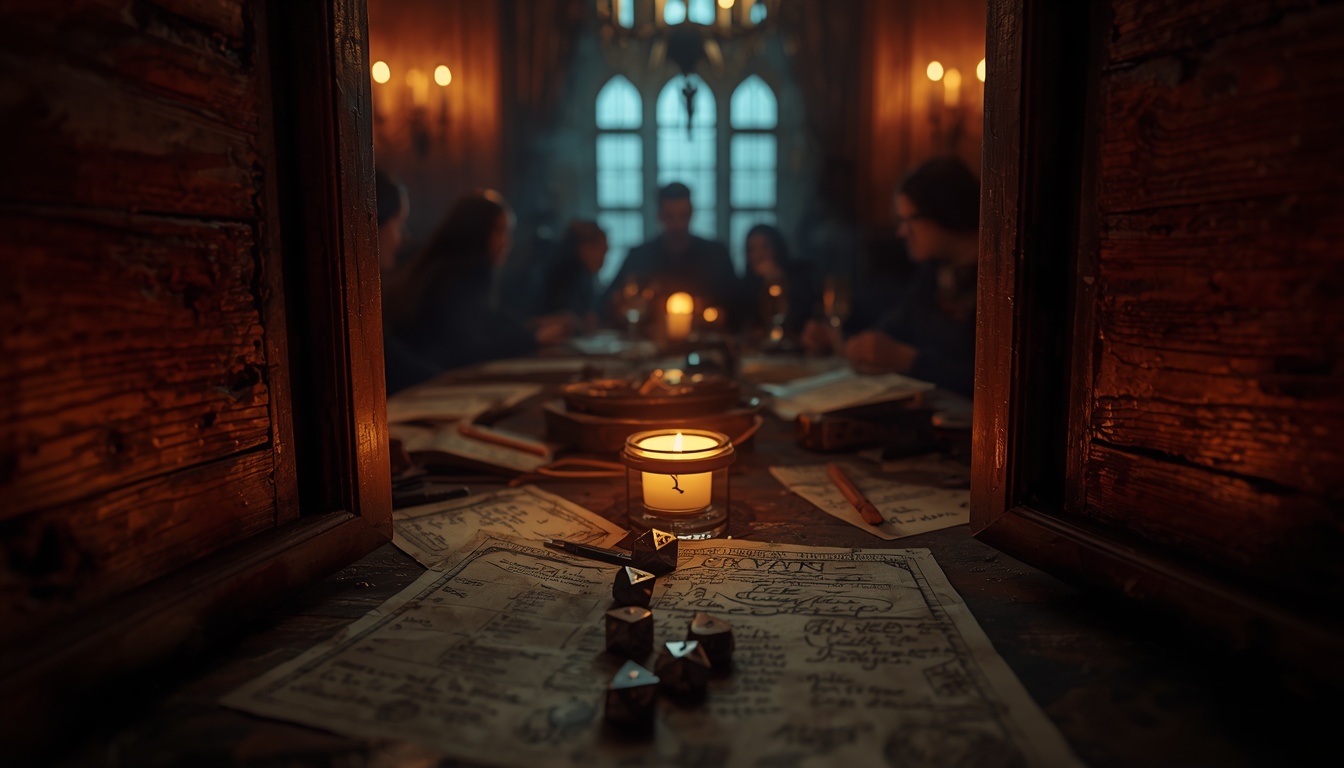
Picture the scene. You spent twenty minutes hyping your group for a horror campaign. Cursed mansions. A villain who feeds on regret. Your players are leaning in. Dice are out. Snacks are open. The vibe is perfect.
Then you flip a switch and say, “Okay, before we start, let’s talk about safety tools,” in the exact voice flight attendants use to point at the emergency exits.
The room goes quiet. Somebody checks their phone. The warlock player nods like they’re at a dentist appointment. You just spent twenty minutes building a haunted house, and then you personally bulldozed it with a permission slip.
That moment is not a flaw in safety tools. It’s a flaw in delivery. And nobody is teaching GMs how to fix it.
Wait, Is This Even a Real Problem?
Yes. Loudly, yes. And here’s proof it’s bigger than your table.
The X-Card, that little index card with an X on it that lets a player silently signal “please change this scene,” is not some fringe indie thing anymore. The toolkit that helped popularize it picked up a 2020 ENNIE Award for Best Free Game or Product, which is basically the Oscars for tabletop games. Then in 2024, Wizards of the Coast put safety tools directly into the core Dungeon Master’s Guide for the first time ever, with a built-in “Game Expectations” sheet for hard limits and soft limits. Funny thing though, they didn’t name a single specific tool, and they didn’t credit any of the actual creators who built this stuff over the last decade. Critics noticed, loudly. If the biggest company in the entire hobby can’t figure out how to talk about this gracefully, you, a person running a game for four friends in a basement, are allowed to struggle a little too.
Even GM-for-hire platforms like StartPlaying now require every paid Game Master on the site to use at least one safety tool before they’re allowed to run a single session. This isn’t a niche, awkward, “some weird groups do this” thing anymore. It’s table stakes. Pun fully intended.
So no, the question isn’t “should I use safety tools.” That argument is over, and the tools won. The real question, the one nobody answers, is how do you say the words out loud without your table sounding like a corporate orientation video?
Why the Room Actually Goes Quiet
Here’s a trick question for you. Do players hate being asked about their boundaries? Nope. Almost never, actually. What players hate is watching their GM turn into a different person mid-sentence.
Go dig through any forum thread arguing about the X-Card, and you’ll notice something weird. The loudest critics rarely say “I don’t want anyone to feel comfortable.” They say things closer to “stop treating my table like it’s dangerous.” The fight isn’t about comfort. It’s about delivery. The second a GM switches from “campaign pitch” voice to “liability waiver” voice, players read that shift as a vibe change, and vibe changes spread fast, usually in the wrong direction.
John Stavropoulos, the guy who actually invented the X-Card, designed it to give players a quiet exit, not a confession booth. Monte Cook Games, who published an entire free guide on this called Consent in Gaming, frames the whole point as keeping the dark, weird, dramatic stuff in your game while making sure nobody’s actual night gets wrecked. Notice what both of those share? Neither one is talking about lecturing anybody. They’re talking about protecting the fun, not replacing it.
So if the tools were built to protect the fun, why do so many of us deliver them like we’re reading someone their rights? Because nobody ever gave GMs a script. Let’s fix that.
The Three-Hit Combo
Think of this like a fighting game combo. Skip a step and the whole thing whiffs. Land all three and barely anyone notices it happened, which is exactly the goal here.
1. The DM Slide
Don’t ask the hardest questions in front of the whole party. Slide into their DMs a few days before session zero. Something like: “Hey, quick heads up before Saturday, this campaign has some heavy stuff in it like body horror and betrayal. Anything that’s a hard no for you? No explanation needed, just let me know.”
Why does this work better than the group version? Because people clam up in front of an audience. Multiple GMs who’ve run public tables for years noticed the same pattern. When you ask boundary questions out loud in a circle, people tend to copy whatever the last person said rather than say what they actually feel, partly out of nerves, partly because nobody wants to be the one weird answer in the room. A private message skips that whole problem. The hardest twenty percent of the conversation happens quietly, off to the side, like a side quest nobody else needs to see.
It also saves you from one specific disaster scenario that shows up a lot in GM forums: you build an entire campaign around a spider goddess villain, and then in the middle of session three, someone taps the X-Card the second a spider shows up. Now you’re stuck rewriting half your plot on the fly in front of the whole table. A private message a few days early catches that landmine before it’s wired into your story at all. You either swap the villain ahead of time or you find out the player is totally fine with spiders and only meant something else. Either way, you find out quietly, with time to actually plan, rather than scrambling in front of everyone mid-scene.
2. The Patch Notes Pitch
Once the private stuff is handled, fold whatever’s left straight into your hype speech rather than bolting it on afterward like a disclaimer. Don’t say, “Now let’s pause the excitement and discuss safety.” Say something closer to, “This campaign is going to get dark; we’re talking betrayal, body horror, the works, and here’s the one tool we’re using so nobody gets blindsided by it.” Same information. Completely different energy. You’re not stopping the hype train to read terms and conditions. You’re announcing one more feature of the campaign, the same way you’d announce a new spell list or a homebrew class.
3. NPC Confidence
Deliver the safety tool explanation with the same confidence you’d use explaining initiative order or how spell slots work. Not faster, not quieter, not apologetically. If you mumble through it like you’re embarrassed, your players will mirror that energy right back at you. If you explain it like it’s just another normal part of how the game works, because it is, they’ll treat it that way too. Stunt coordinators don’t apologize before a safety briefing on a movie set. They just run it, calmly, like it’s part of the job. Steal that energy and bring it to your kitchen table.
Don’t Bring the Whole Toolbox
Quick gut check before you go searching for more tools to add. There are at least ten named safety tools floating around the hobby right now: Lines and Veils, the X-Card, Script Change, Open Door, Stars and Wishes, and a handful more. Plenty of guides out there will hand you the entire list and tell you to use all of it. Please don’t.
Showing up to session zero with ten different cards, signals, and acronyms is a lot to process at once, and it buries the one or two tools your table will actually use under a pile of tools they won’t. Pick one for during the game, like the X-Card or a simple “pause for a minute” phrase everyone can say out loud, and maybe one for after the game, like a quick round of stars and wishes where everyone names something they liked and something they want more of. That’s it. Two tools, explained well, beat ten tools explained badly every single time.
There’s a real social reason to keep the list short, too. Some players, particularly anyone who’s a little socially anxious or new to the group, already feel weird about being the one person who taps a card or raises a hand in front of strangers. Adding more tools doesn’t fix that hesitation. It just adds more things to feel weird about. Fewer, clearer options actually make it easier for the quiet player at the end of the table to speak up when it counts.
What About the One Player Who Rolls Their Eyes?
Every table eventually has one. The friend who sighs and says something like “we’ve known each other for years, we don’t need this.” Don’t argue with them in front of everyone. That’s how you turn a thirty-second tool explanation into a fifteen-minute debate about consent culture, and nobody wants that, definitely not at 7:05pm when the pizza just arrived.
Here’s a better line: “Totally fair, and honestly we probably won’t use it much. But it takes ten seconds to set up, and it means if something does come up later, nobody has to make it a big awkward moment.” You’re not selling them on the philosophy behind safety tools. You’re selling them on the convenience. That’s a much smaller ask, and it also happens to be true.
The Honest Part Nobody Else Will Tell You
Researchers who study trigger warnings, the closest scientific cousin to safety tools, found something uncomfortable. In some studies, warnings actually increased anxiety without making people avoid the content they were warned about. Translation: the warning made people dread it more, not less. Safety tools themselves haven’t been studied nearly as much. Most of what we know comes from years of anecdotes, not lab data.
I’m not saying that to talk you out of using them. I’m saying it because I’d rather be the one piece of writing on the internet that’s honest with you. These tools aren’t magic spells. They won’t guarantee a perfect session, and no card or checklist can promise that. What they actually do, reliably, every single time, is give your players a low-stakes way to speak up before something turns into a real problem. That’s a smaller promise than most articles make, and it’s also one that happens to be true, which matters more.
Try It Before Your Next Session
You don’t need all ten safety tools in existence. You need one private message, one folded-in pitch, one confident delivery, and a short list rather than a long one. That’s the whole combo, and it fits on a sticky note.
Here’s your homework, GM. Before your next session zero, send one player a private message rather than saving the question for the group. Just one. See if the conversation feels easier. Then come back and tell me how it went, because I’d love to know if the DM Slide worked for your table too.
Now go roll for initiative. You’ve got a campaign to ruin, lovingly, on purpose, with everyone’s consent.

Posted on June 22, 2026, in Blog. Bookmark the permalink. Comments Off on Stop Reading Your Safety Tools Like Terms of Service.




 Rokk Talk