Stuck as the Forever GM? The 4-Step Player Two Method Puts You Back in a Player Seat
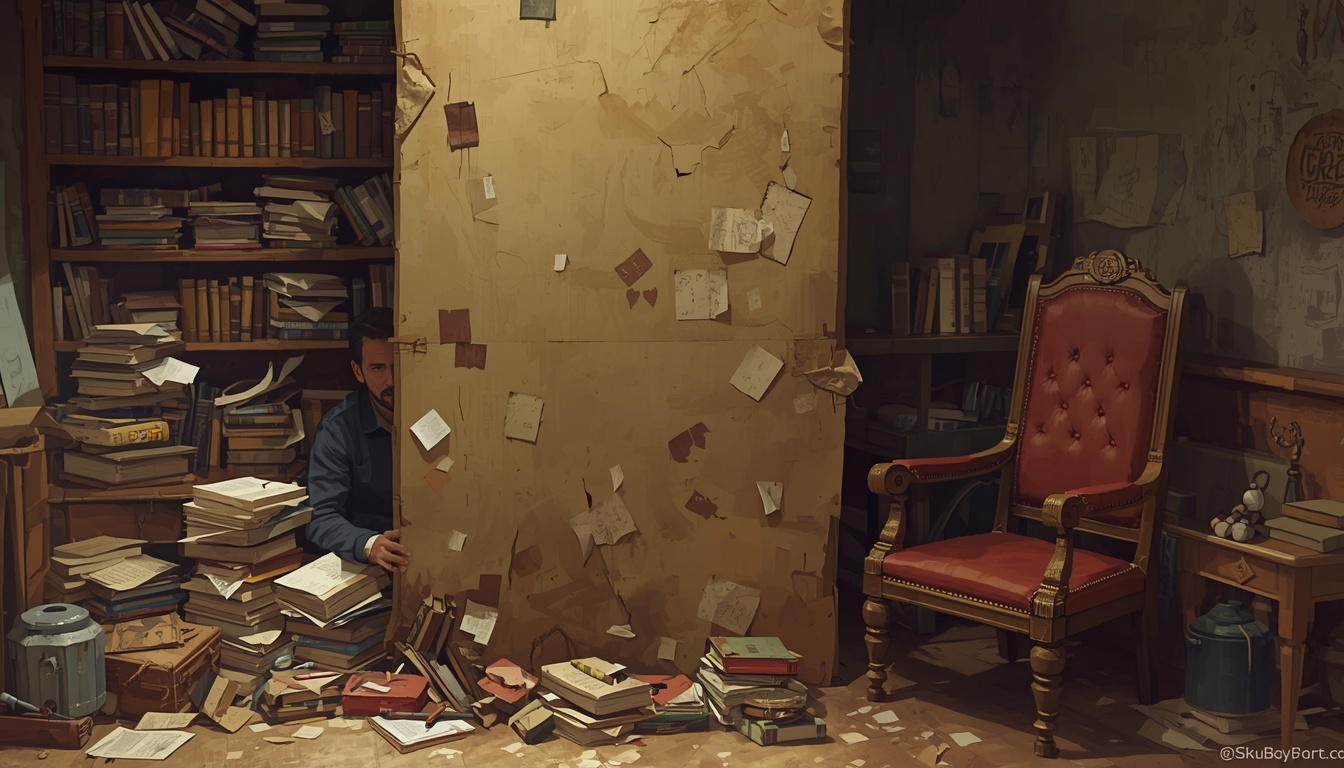
Let me tell you about Priya.
Priya ran games for her group for six years straight. Six. She built the world, inked the maps, voiced every grumpy shopkeeper and every scheming dragon, and somehow kept track of which noble our rogue insulted back in session eleven. She was good. Too good, honestly, and that was the whole trap. Being the one person who can run the game means you never actually get to play it.
Then one night she said the saddest sentence ever heard at a table. “I’ve been a player for zero hours this year.”
Zero. Not “a little.” Not “a baby bit.” Zero.
Look, if any of that stings, congratulations, you might be a Forever GM. Stay with me here, because I’m going to get you out of that chair without blowing up your campaign or guilt-tripping your friends into a mutiny. Deal? Deal.
What the Forever GM problem actually is
Quick gut check. There are two versions of this monster, and people mix them up all the time.
Version one is the scarcity problem. You are the only person at the table willing to run anything, so you are stuck behind the screen until the heat death of the universe. Some folks online report going five, ten, even fifteen years without sitting in a player’s seat. I read one poster who said the last time he got to play was 2006. Two thousand and six! People bought their first iPhones after that. That’s not a hobby anymore. That’s a hostage situation with dice.
Version two is the burden problem. Running the game gets treated like a service job that magically came free with the rulebook. Prep, scheduling, hosting, snacks, rules arguments, remembering the entire plot. All yours, buddy. One forum thread renamed the whole thing the forever problem for GMs, and that stuck with me, because that is the meaner truth underneath it.
Here’s why this keeps happening, and it’s just math. The game is built lopsided on purpose. The official Dungeon Master’s Guide points groups toward three to five players and one GM. Community rules of thumb land around one GM for every six to eight players. So every time the hobby gets more popular, that same tiny pool of GMs gets stretched thinner and thinner and thinner.
And the hobby got popular. More than 50 million people played Dungeons and Dragons at some point, according to Wizards of the Coast. One estimate from DungeonVault puts active tabletop players near 13.7 million, with only about 3 million of them running games. Do the ugly division and you land near one GM for every five or six players. We are outnumbered, people. Badly.
The part nobody wants to say out loud
Okay, real talk. Every article about this problem tells you the same three things. Talk to your group. Run more one-shots. Take a break. And those are fine tips. They’re the “did you try turning it off and back on again” of game master advice.
But one writer over on Medium said the quiet thing out loud, calling that same tired advice “a little bit of a cop out,” and yeah. She’s right.
Because the reason you’re still the Forever GM? Nine times out of ten it comes down to grief.
I’m serious. You built this world. You know what’s behind the locked door. You know why the king is lying to everyone. Handing that over to another human feels like giving a stranger the keys to your car and your diary at the same moment. That fear of losing control of your own story is the real boss fight here. It isn’t calendars. It isn’t lazy players. It’s your own white-knuckle grip on a world you love too much to share. I know because I sat on a campaign bible for years, dead sure nobody else could run it right, until it hit me that the only thing my grip was protecting was my own burnout.
So here’s the good news, and it changes everything. You don’t need to let go of the whole thing at once. You just need to plug in Player Two.
The Player Two Method
Think about co-op mode in any game you love. When your buddy grabs the second controller, they don’t delete your save file and start over. They pick a character and start helping. That’s the entire idea, start to finish. We are going to promote one player from the couch to the co-pilot seat in four steps, and not one of them asks you to nuke your campaign.
Step 1: Split the screen before you split the chair
Here’s the move most burned-out GMs miss completely. GMing isn’t one job. It’s three jobs wearing a trench coat.
There’s the narrator, who describes the world and voices the cast. There’s the referee, who makes the rules calls. And there’s the logistics gremlin, who schedules the game, hosts it, and pings everyone on Thursday to confirm. You can hand off any of those pieces without giving up the big chair at all.
Got a player who swears up and down they could never run a game? Cool. Make them your rules person for one night. Every time someone asks how grappling works, boom, that’s their job now. Give another player the “previously on” recap at the top of each session. Let a third person own the group chat and the scheduling. Just like that, half your invisible workload walks off your plate, and nobody had to sit behind the screen yet. Sneaky little productivity hack, and it buys you breathing room this week.
Step 2: Hand them one scene
Now we get clever. Pick your most into-it player. The one who takes notes, who names their sword, who texts you fan theories at midnight like a naughty boy who should be asleep. Ask them to run one scene. A single tavern brawl. One creepy fortune teller. A five-minute rooftop chase. Give them the villain’s smug lieutenant and one clear goal for the scene, something like “make the party sweat, then let them squeak out a win.” Small target, obvious job, no way to break anything.
Prep it with them, side by side. Then sit down as a player while they run it. This is the shadow-then-solo pattern that video games use to teach you a mechanic in a safe room before the real fight, and it works on your friends too. One scene is small enough that nobody panics, and big enough that they feel it when the whole table goes dead silent and leans toward them. That feeling is the hook. Set it, then let it sink in for a week.
Step 3: Give them their own corner of the world
Did that scene go perfectly? Probably not. Did it go well enough that they grinned for the rest of the night and texted you afterward? Yeah. It almost always does.
Next, let them run a one-shot in a walled-off zone of your setting. A neighboring city your party never visited. A prequel set a hundred years back. A weird side dungeon nobody has touched. This keeps your main story locked and safe while your rookie GM racks up reps. Bonus points if you roll up a character and play in it, because now you are finally, for real, a player again.
Scared they’ll wreck your canon? Steal the golden rule that rotating-GM groups swear by. If somebody else created an NPC, you ask them before you mess with that character. Groups running Blades in the Dark pass the screen around like a hot potato using exactly this kind of shared-notes etiquette, and their worlds hold together fine. Trust plus a shared doc beats fear every single time.
Step 4: Promote them to co-GM
Last step. You split the campaign for good. Maybe you trade off by story arc. Maybe the two of you build the world together and take turns behind the screen. Maybe you run a B-team game on the weeks your co-GM is busy, so the crew gets even more play.
The Forever GM title is dead. You killed it yourself. And you pulled it off without one single guilt trip. Look at you.
Here’s the wild bonus nobody warns you about. Your players change once one of them runs a game. They stop treating your prep like a vending machine and start seeing the gears behind the curtain. They show up on time. They read the recap. They tip their imaginary bartender. The fastest way to build respect for the GM chair, it turns out, is to let somebody else sweat in it for one night.
A cheat code for nervous players
Some players will freeze the second you say “run a scene.” To them, a full roleplaying game looks like a raid boss with a hundred moving parts. Fair. So don’t start there. Start smaller.
Hand them a game with no single GM at all. The Quiet Year, Fiasco, and Microscope are built so everyone shares the storytelling and nobody owns the whole world. There’s no prep homework and barely any rules to memorize. You draw a card, answer a prompt, add to the map, done.
What these games secretly do is teach your players that making up story on the spot is fun and survivable, not terrifying. Once someone spends a night inventing towns and characters in Microscope and having a blast, Step 2 stops feeling like a raid boss and starts feeling like a warm-up. It’s the gentlest on-ramp in the hobby, and half your table won’t even notice they’re training.
“But what if I just pay someone?”
I hear you, and yes, that’s a real option now. A whole professional game master economy exploded into being over the last few years. StartPlaying, one of the biggest marketplaces, has paid out more than 50 million dollars to game masters since 2019, per TTRPG Insider. Rates run from about ten bucks a seat all the way up past a hundred dollars an hour for the top-shelf pros, according to Wargamer.
So hiring a pro is the market’s answer to the GM shortage. It’s fast, it’s reliable, and someone else does every scrap of the prep. If your group can swing the cash and nobody at all wants to run anything, go for it. Zero shame in that.
But the Player Two Method is the free answer, and it does something money can’t buy. It grows your table. It turns one exhausted GM into two rested ones, and it hands your friends a skill they keep for the rest of their lives. A hired gun packs up when the campaign wraps. A co-GM you trained sticks around forever, in the good way this time.
Your move
Here’s your quest log for this week. Just this week. Nothing bigger.
One. Pick the single most into-it player at your table. Two. Ask them to run one scene. Not a campaign. One scene. Three. Sit down as a player and enjoy the ride you built for everyone else.
That’s the whole first level. You don’t need to solve the Forever GM problem in one heroic night. You just need to plug in Player Two and press start.
Now go do it. Your seat at the table is still warm, and honestly? It missed you.

Posted on July 6, 2026, in Blog. Bookmark the permalink. Leave a comment.




 Rokk Talk
Leave a comment
Comments 0