Author Archives: Donny Rokk
Running High-Level Monsters and Encounters
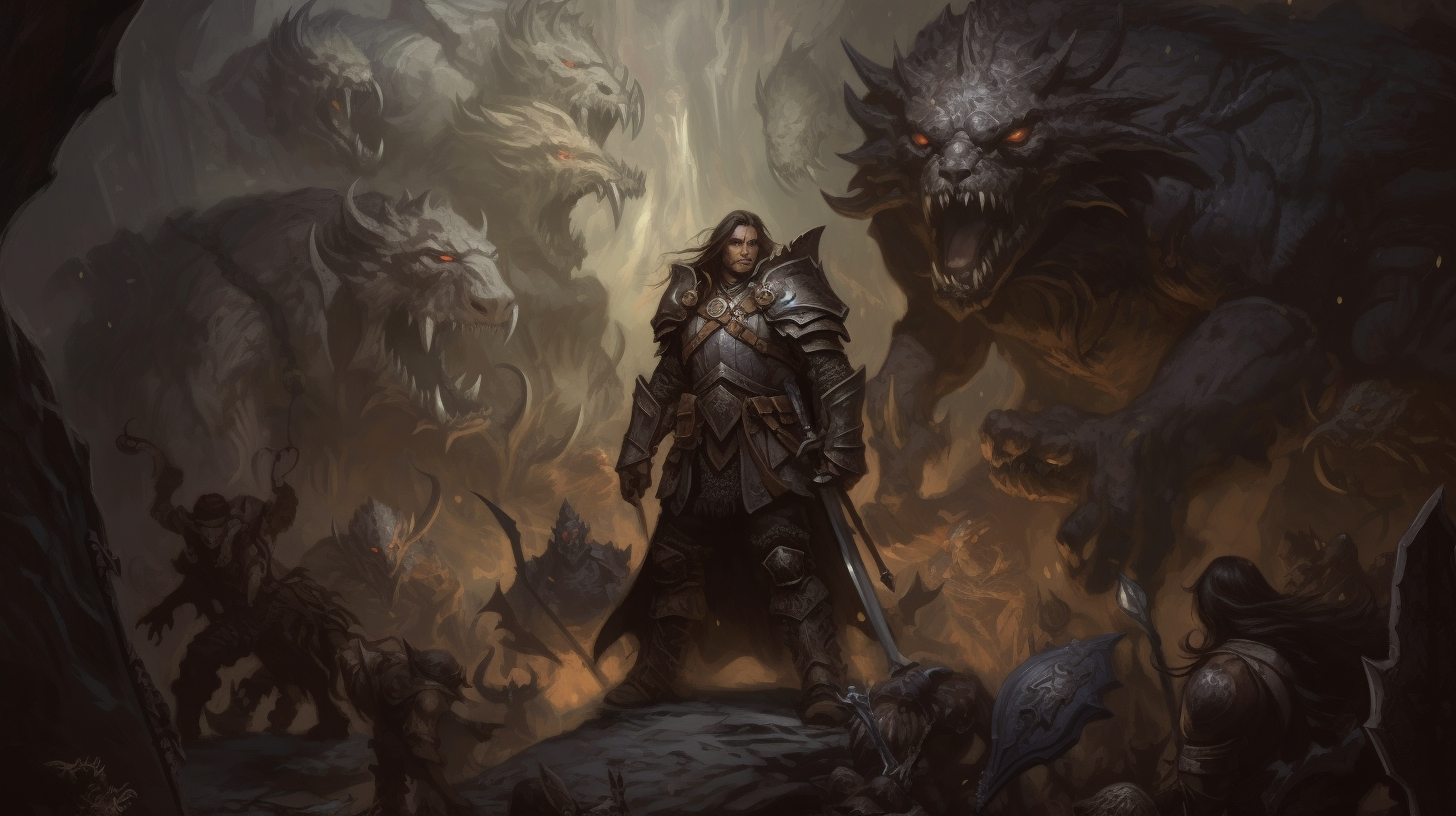
If you’re a Game Master (GM) in a role-playing game (RPG) and want to challenge your players, running high-level monsters and encounters is the way to go. These monsters and encounters are often the culmination of a long campaign and are meant to test the players’ skills and tactics. However, running high-level monsters and encounters can be tricky, especially if you’re not familiar with the rules and mechanics of the game. In this article, we’ll provide some advice on how to run high-level monsters and encounters successfully.
Understanding High-Level Monsters and Encounters
The first step in running high-level monsters and encounters is understanding what makes them different from lower-level ones. High-level monsters are often more powerful, have more hit points, and deal more damage. They also have special abilities and resistances that make them harder to defeat. On the other hand, high-level encounters often involve multiple enemies or complex scenarios that require players to use different tactics and strategies.
Planning the Encounter
Before running a high-level encounter, it’s essential to plan it thoroughly. Start by determining the level and abilities of the players. This will help you decide what monsters and encounters are appropriate for them. Next, choose a suitable location for the encounter. This can be a dungeon, a castle, or an open field. Finally, determine the objectives of the encounter. Are the players trying to defeat a powerful monster or retrieve a valuable artifact?
Choosing the Monsters
Once you’ve planned the encounter, it’s time to choose the monsters. High-level monsters should be challenging but not unbeatable. Choose monsters that complement each other and have unique abilities. For example, if you’re running a high-level encounter in a dungeon, you could choose a group of powerful undead creatures with different resistances and abilities.
Running the Encounter
During the encounter, keeping the players engaged and focused is essential. Ensure they understand the encounter’s objectives and the rules for combat. Encourage them to use their abilities and tactics creatively. Be flexible and adjust the difficulty of the encounter if necessary. Don’t be afraid to let the players fail, but also ensure they can recover.
Conclusion
Running high-level monsters and encounters can be challenging, but with the right planning and execution, it can also be incredibly rewarding. Remember to choose monsters and encounters appropriate for the players’ level and abilities, plan the encounter thoroughly, and keep the players engaged and focused during the game. With these tips, you can create memorable and exciting high level encounters that your players will talk about for years to come.
Keeping RPGs On Track
Introduction
Running a roleplaying game (RPG) can be a complex and challenging task, especially when it comes to keeping the game on track and engaging for all players involved. In this article, we’ll explore some tips and strategies for keeping your RPG games on track, from setting clear expectations and goals to managing time and pacing and handling player conflicts and issues.
Setting Clear Expectations and Goals
One of the most important aspects of keeping your RPG games on track is setting clear expectations and goals for the players. This means establishing the game’s tone, setting, and rules and communicating your expectations for player behaviour and participation. You should also establish clear goals and objectives for each session so that the players know what they are working towards and what they need to accomplish.
Creating a Structured Game Session
To keep your RPG games on track, creating a structured game session that follows a clear and logical progression is important. This means breaking the game down into manageable chunks or scenes and establishing a clear order of events and actions. You should also establish clear guidelines for player actions and interactions and set up clear consequences for failure or success.
Encouraging Active Player Participation
Active player participation is key to keeping your RPG games on track, ensuring that all players are engaged and invested in the game’s outcome. To encourage active participation, you should create opportunities for player decision-making and problem-solving and allow players to take the lead and drive the narrative forward. You should also encourage player creativity and exploration and allow for a certain degree of flexibility and improvisation.
Managing Time and Pacing
Managing time and pacing is another important aspect of keeping your RPG games on track. This means balancing the game’s action and dialogue and ensuring that there is enough time for each player to participate and contribute. You should also establish clear time limits and deadlines and keep the game moving forward at a steady pace.
Handling Player Conflicts and Issues
Finally, it’s important to be prepared to handle player conflicts and issues that may arise during your RPG games. This means establishing clear rules and guidelines for player behaviour and addressing any issues or concerns promptly and respectfully. You should also encourage open communication and feedback among the players and be prepared to adjust or change the game if necessary.
Conclusion
Keeping your RPG games on track can be challenging, but it’s also crucial for ensuring that all players are engaged and invested in the game’s outcome. By setting clear expectations and goals, creating a structured game session, encouraging active player participation, managing time and pacing, and handling player conflicts and issues, you can create a fun and engaging RPG experience for all involved.
FAQs
- How can I ensure that all players are engaged and invested in the game’s outcome?
- To ensure active player participation, create opportunities for player decision-making and problem-solving, and allow players to take the lead and drive the narrative forward. Encourage player creativity and exploration, and allow for a certain degree of flexibility and improvisation.
- What should I do if conflicts or issues arise among the players during a game session?
- Establish clear rules and guidelines for player behaviour, and address any issues or concerns promptly and respectfully. Encourage open communication and feedback among the players, and be prepared to adjust or change the game if necessary.
- How can I balance the game’s action and dialogue to manage time and pacing?
- Balancing the game’s action and dialogue is crucial for managing time and pacing. You should aim to create a dynamic and engaging game that allows for a mix of action-packed scenes and more contemplative moments of dialogue and exploration. Be mindful of each scene’s length, and ensure enough time for each player to participate and contribute.
- How can I create a fun and engaging RPG experience for larger groups?
- To create a fun and engaging RPG experience for larger groups, you may need to adjust your game’s structure and pacing to accommodate more players. Consider dividing the players into smaller groups for certain scenes or activities, and establish clear guidelines for player participation and behaviour. You may also want to consider using digital tools or resources to help manage the game and keep everyone on track.
- How can I handle players who are not engaged or invested in the game?
- If you have players who are not engaged or invested in the game, it’s important to address the issue respectfully and constructively. Talk to the player privately and ask them if anything specific is causing them to disengage from the game. Try to find ways to involve them more in the game, such as by giving them specific tasks or roles to play or by encouraging them to take the lead in certain scenes.
- How can I manage players who dominate the game or monopolize the spotlight?
- In a larger group RPG, it’s common for some players to be more outgoing or assertive than others, which can lead to certain players dominating the game or monopolizing the spotlight. To manage this issue, consider establishing ground rules for player participation and turn-taking, and encourage quieter players to speak up and contribute. You may also want to limit the time that any player can speak or act during a scene, and use NPCs or other characters to involve multiple players in the action.
- How can I handle conflicts between players or disagreements about the game?
- Conflicts and disagreements are a natural part of any RPG, but they can be especially challenging in larger groups with more personalities and opinions. To handle conflicts or disagreements, establish clear guidelines for player behaviour and communication, and encourage players to be respectful and constructive in their interactions. If conflicts do arise, take the time to listen to each player’s perspective and try to find a resolution that works for everyone.
- How can I incorporate feedback from players to improve the game?
- Incorporating feedback from players is an important part of improving your RPG and keeping it engaging for everyone involved. Consider asking for feedback from players after each game session, and take their suggestions and critiques into account when planning future sessions. You may also want to establish a system for players to give ongoing feedback and suggestions, such as through a shared document or online forum.
Conclusion: Running RPGs for larger groups can be a fun and rewarding experience, but it also presents unique challenges and requires careful planning and management. By following these tips and guidelines, you can create a dynamic and engaging game that allows for meaningful player participation and interaction. Remember to be flexible, adaptable, and open to feedback, and always prioritize the enjoyment and satisfaction of your players.





 Rokk Talk