Blog Archives

5 Overlooked GM Secrets That Will Wow Your Players
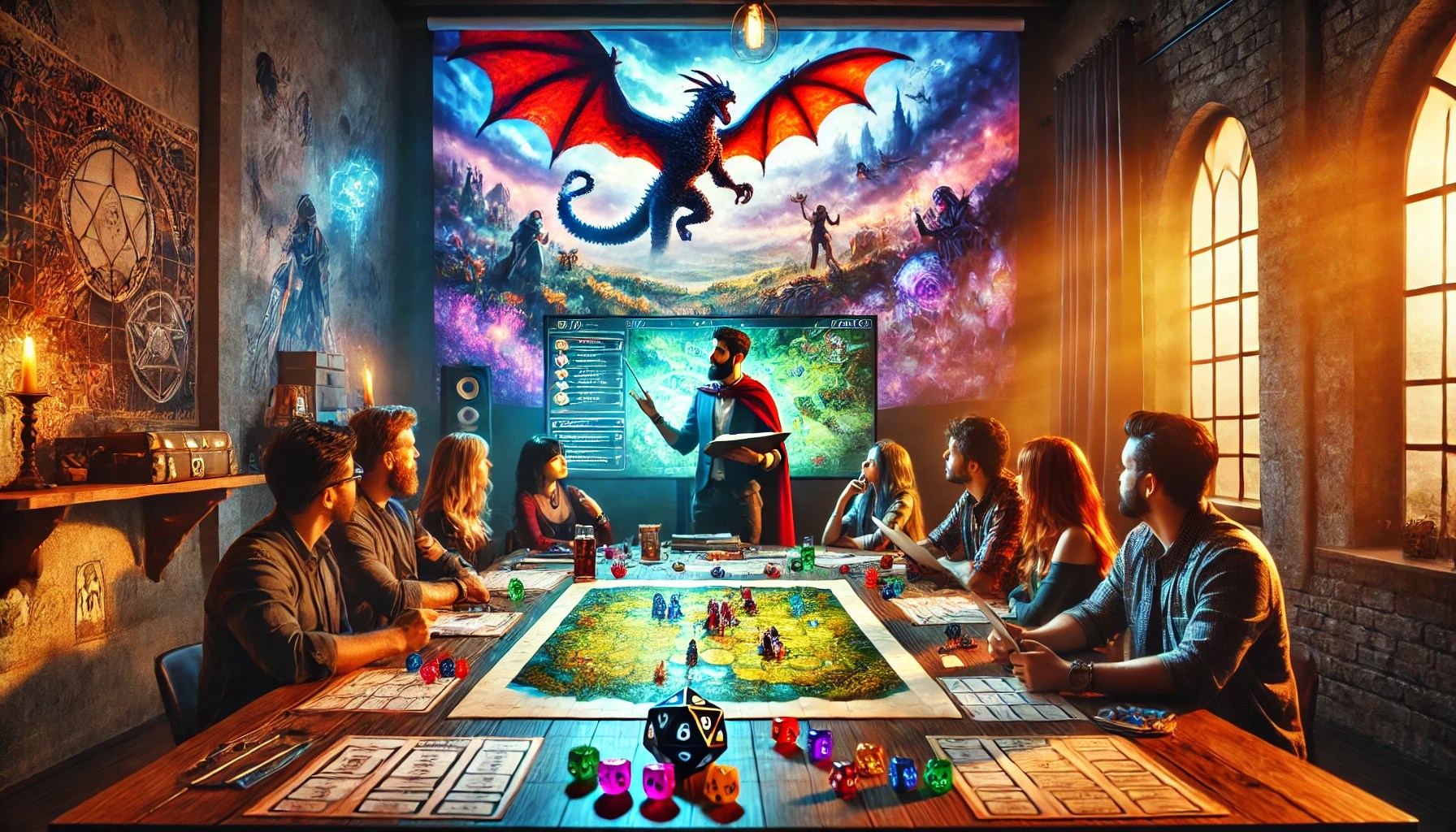
Whether you’re running Pathfinder, Dungeons and Dragons, or any other tabletop RPG, it’s easy as a Game Master to get lost in the sprawling to-do list that comes with running said tabletop RPG. You’re juggling story arcs, encounter designs, and the ever-elusive question: What’s going to make my players rave about this session?
I’ve been there. I’ve prepped hours of lore that no one cared about, thrown random encounters that got people looking at their phones rather than their character sheets, and even lost control of sessions because we spiraled into off-topic chaos. But I’ve also had moments where everything clicked—when players were so immersed, minutes ticked by like seconds.
Recently, I came across a video (linked below) that breaks down seven overlooked elements GMs often miss but players love. Let me share a few of those highlights, plus examples of how I’ve stumbled, learned, and nailed these ideas at my table.
1. Moral Dilemmas
Players “love” being faced with tough choices. It’s not about good versus evil but about weighing trade-offs and consequences. I use quotation marks because some players prefer to play in Murderhobo mode, consequences be damned.
💡 Pro Tip: Make sure both options have pros and cons—no easy wins here!
2. Be Generous with Information
Have you ever watched your players flounder, unsure what to do, while you sit there thinking, The answer is right there, guys!? Turns out, sometimes we need to throw them a bone.
It’s easy to forget that players have a “flashlight view” of their surroundings. They see what’s directly in front of them and a little bit of what’s behind them as it fades into the darkness. Refreshers, reminders, and some strong hints and clues can help keep things fresh in their minds.
💡 Pro Tip: Especially in non-mystery games, offer enough clues to keep the story moving. Players don’t have access to your notes, after all!
3. Manage the Game
This one hit home for me. Early in my GM days, I’d let tangents derail entire sessions. While jokes and side stories are fun, too much chaos can kill the momentum.
Now, I start on time (or as close as possible), gently redirect when we veer off-course, and use initiatives or turns to keep combat smooth. It’s made sessions feel tighter and more satisfying.
💡 Pro Tip: Be flexible but firm. A light reminder like, “Let’s bring it back to the game,” keeps things moving without being a buzzkill.
4. Make Travel Interesting or Skip It
Travel sessions used to bore me and my players—until I started treating the journey like part of the story.
In one campaign travel session, I replaced random encounters with a mysterious landmark: a crude dam in the middle of a river that shouldn’t have been there. The players investigated, theorized, and role-played their reactions. That one detail made the trek memorable without adding extra prep. Sadly, that campaign ended before the foreshadowing could have paid off, but such is the nature of the game.
💡 Pro Tip: If travel doesn’t advance the story or characters, skip it. When it does, tie it to the world or plot in meaningful ways.
5. Run Challenging Combats
We all want our players to feel heroic, but if every fight is a cakewalk, it loses its thrill. This point could be a full-blown post all on its own. There’s so many factors that can make this a tight balancing act, but when it gets pulled off it hits different.
💡 Pro Tip: Don’t be afraid to push your players. High-stakes battles are what legends are made of.
Bonus Tips
- Use Modules: Pre-made adventures save time and often include puzzles, traps, and creative NPCs.
- Surprise Them: A unique monster or unexpected twist keeps players on their toes.
The Takeaway
Players don’t always notice the hours you spend behind the screen, but they do notice when a session feels alive, engaging, and fun. By focusing on these areas—as well as the ones discussed in the video below—you’ll create experiences your group will never forget.
Check out the video from The DM Lair (linked below) for even more insights, and let me know in the comments: Which of these tips are you most excited to try? Or share your own GM successes (or fails)!
Let’s make every session legendary.

Crafting Epic Multi-Stage Boss Fights for TTRPGs
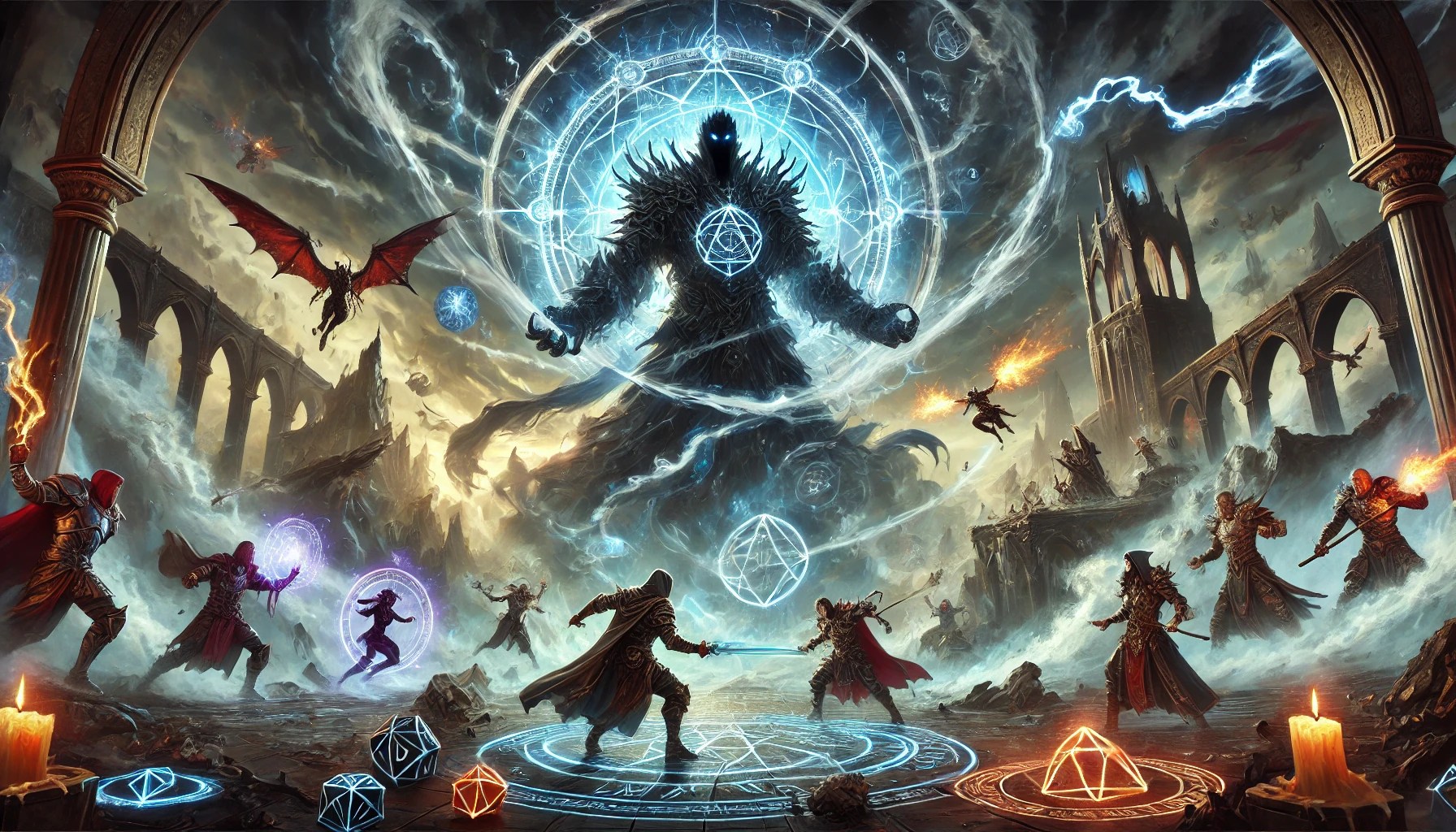
If you’ve ever run a boss fight in a tabletop RPG and felt it didn’t live up to the hype, believe me—you’re not alone. I’ve planned for weeks to make the final showdown epic, only to have my players steamroll the boss in a couple of rounds or lose interest halfway through because it felt like “just another combat.” It can be soul-crushing. Boss fights are supposed to be these grand, nail-biting moments, but they can fall flat without the right structure.
Thankfully, I stumbled across a video from The DM Lair (linked below). It breaks down exactly how to run multi-stage boss fights that are exciting, memorable, and worthy of the big bad you’ve built up over your campaign.
Let’s dive in, shall we?
The Problem with Boss Fights
Before we talk solutions, let’s get real about the challenges. My biggest issue has always been pacing. I’d either design a boss so weak that the party crushed it before it had a chance to shine, or I’d make it so powerful that the players spent three hours chipping away at its health bar with no payoff. Sound familiar?
Another common pitfall: static encounters. If the fight takes place in one boring room with no changes, it can start to feel more like a grind than a climactic battle. And don’t even get me started on the time my players nuked my carefully crafted boss before it even acted. (RIP, Sereg. Defeated via Boop on the nose.)
What Makes a Great Multi-Stage Boss Fight?
Here’s where things get exciting. The key to a great boss fight is treating it like a story within the story. Think of your favorite movie battles: the hero doesn’t just trade punches with the villain. The stakes escalate. The environment shifts. The villain adapts. That’s exactly what you want to emulate in your games.
Here are some tips from The DM Lair that were a good reminder for me—and that I’m hoping my aged brain will retain for my next boss battle:
- Add a Timer: Whether it’s a ritual about to be completed or a collapsing environment, giving players a sense of urgency changes everything. Suddenly, they’re not just trying to win; they’re trying to beat the clock.
- Shake Up the Battlefield: Make the terrain dynamic! Maybe a bridge collapses, lava starts flowing, or new hazards appear. Keeping the environment interesting ensures the fight feels alive.
- Include Minions: Don’t let your boss fight alone. Add waves of minions or lieutenants to keep the party busy and spread the action across all characters.
- Evolve the Boss: Let the villain reveal new powers or tactics as the fight progresses. Keep your players guessing and adapting.
- Roleplay the Boss: This was a big “aha” moment for me. Treat the boss like a character, not just a stat block. Show their confidence in the early stages, their anger as things go wrong, and their desperation when the tide turns. It makes the fight so much more personal.
Breaking It Down: The Stages
The video outlines four stages for a boss fight, and I’m hooked on this structure. Here’s the breakdown:
- Stage 1: Minions and Defense
The boss hangs back, letting their underlings soften up the party. Maybe they’re preparing a ritual or taunting the heroes from a safe distance. - Stage 2: Overconfidence
The boss steps in, testing the waters with flashy but manageable attacks. Think of this as them showing off—players love a villain with a flair for drama. - Stage 3: Adaptation and Anger
Now the gloves come off. The boss starts using their strongest abilities, adapting to the party’s tactics, and showing why they’re the campaign’s big bad. - Stage 4: Desperation
When the boss is on the ropes, they get desperate. Maybe they transform into a monstrous new form, unleash a devastating ultimate ability, or even try to bargain. This stage should push the party to their limits.
Lessons Learned
One of the best takeaways for me was to tie these stages to the boss’s health or key events during the fight. For example, the battlefield might change when the boss drops to 50% health (Bloodied, to use a 4e parlance), or they might reveal a hidden ability after losing their minions. This approach keeps the players engaged and builds tension organically.
Another tip that’s been a lifesaver: foreshadow the mechanics. If your boss has a devastating ultimate ability, drop hints earlier in the campaign. That way, players feel rewarded for paying attention rather than blindsided.
And finally, don’t forget to design each stage so that different character types can shine. Maybe the rogue gets a chance to disarm traps in Stage 1, the barbarian holds off minions in Stage 2, and the wizard counters the boss’s ultimate move in Stage 4. Everyone gets their moment in the spotlight.
Your Next Boss Fight Awaits
Multi-stage boss fights take a little more planning, but the payoff is absolutely worth it. The next time your players face the big bad, they’ll remember it as an epic battle, not just another combat encounter.
Check out The DM Lair’s video for more insights (link below), and let me know in the comments if you’ve tried these strategies or if you have your own tips. Let’s make those bosses unforgettable!
(I still might use the kitten tarrasques, though.)




 Rokk Talk