Blog Archives

Transform Your RPG Campaigns with South Park’s ‘Therefore/But’ Storytelling Method

If you’ve ever felt torn between running an immersive, player-driven campaign and sticking to the carefully crafted beats of a pre-written adventure path, you’re not alone. I’ve been experimenting with ways to strike that balance, and recently, I stumbled across a method from an unexpected source: South Park.
Yes, you read that right. Trey Parker and Matt Stone’s storytelling technique, the “Therefore/But” method, is great for tabletop RPGs like Pathfinder and Dungeons & Dragons. Inspired by a video (linked below), I’ve started using this approach to give my players more agency in what might otherwise feel like a “railroad” campaign. Here’s how it works and why you should try it too.
What Is the “Therefore/But” Method?
At its core, this method is about replacing boring, disconnected storytelling with something dynamic and meaningful.
- The Problem: Stories that rely on “and then” lack cohesion and depth. (“The players fought some goblins, and then they found treasure, and then they moved to the next town.”)
- The Fix: Swap “and then” for “therefore” (cause and effect) or “but” (conflict/obstacle). This simple shift creates interconnected narratives where events flow naturally and feel significant.
Why It Works for RPGs
As a GM, you’re not just telling a story—you’re reacting to a living, breathing world shaped by your players. The “Therefore/But” method is perfect for this because it builds on player choices, making their actions feel impactful and driving the story in unexpected directions.
There are definite perks to using this technique:
- Player Investment: Players are more engaged because their choices have visible consequences.
- Simplified Prep: GMs can focus on the big picture and improvise based on the players’ decisions, rather than over-preparing every detail.
- Surprises for Me: As a GM, this method makes the story unpredictable in the best way.
How to Apply the Method
Here’s how to use it as part of your GM prep:
- Start with Broad Story Beats: Outline major milestones—like the villain’s ultimate plan or key artifacts the party must recover.
- Let the Players Drive the Details: Instead of railroading them toward specific outcomes, let their actions and decisions shape the journey.
- Use “Therefore” and “But” to Evolve the Story: For every choice they make, ask yourself:
- What changes in the world as a result? (Therefore…)
- What new challenges arise from this? (But…)
Tips for Using “Therefore/But”
- Lean on NPCs: NPCs are a great way to show cause and effect. Did the party spare an enemy? Therefore, that NPC might warn them about an ambush. Did they steal from a merchant? But now they’ve got a bounty on their heads.
- Foreshadow the Domino Effect: Drop hints about how the world is changing. For example, if a town is burned during a battle, the refugees might crop up later, needing help—or seeking revenge.
- Be Flexible: Sometimes, your carefully planned “therefore” or “but” will get derailed by players’ actions. Roll with it! The method thrives on improvisation.
Transforming Railroad Adventures
One of the coolest things about this method is how well it fits into pre-written campaigns. Adventure paths often feel linear, but by weaving in “therefore” and “but,” you can create the illusion of a player-driven story.
For example:
- The villain flees after a failed battle, but leaves behind cryptic plans that spark new quests.
- The party defeats a bandit leader, therefore a rival gang moves in to take control.
Even in a structured campaign, these cause-and-effect moments make the story feel alive.
Why You Should Try It
Incorporating the “Therefore/But” method can make your sessions more vibrant and collaborative. Players constantly ask, “What happens next?”—and even the GM won’t always know! That unpredictability keeps the game fresh for everyone.
If you’re tired of predictable storytelling or feeling trapped by your own prep work, give this method a shot. It might just transform how you run your games.
Check out the video (linked below) for more inspiration, and let me know in the comments: How do you balance structure and player agency in your campaigns? Let’s swap ideas and make our stories unforgettable.

Pathfinder Session Recap: Saints and Sinners
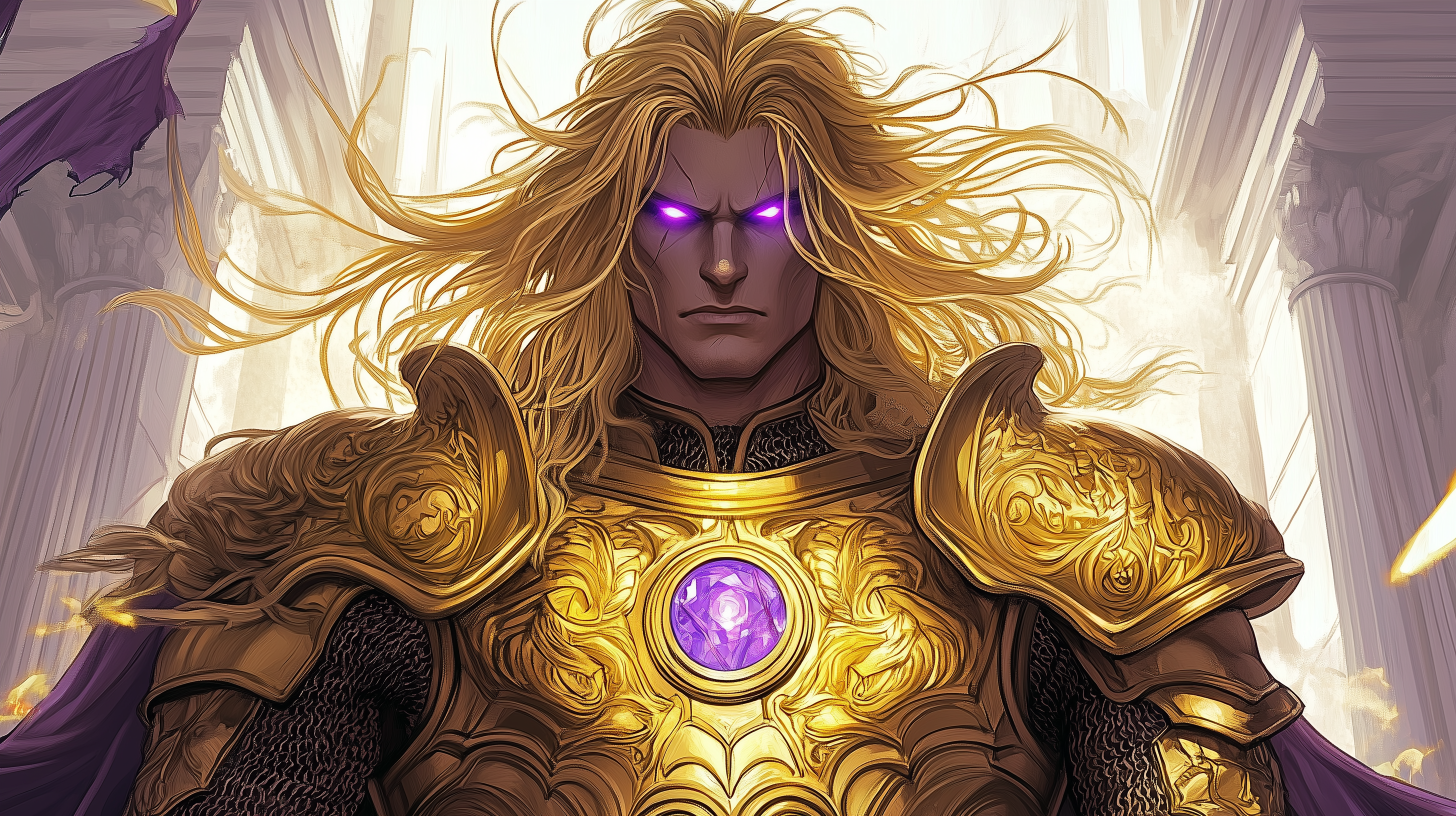
In our latest Pathfinder – Age of Worms campaign session (Editor’s Note: that’s Session 41 for the three of you keeping track), the party’s journey to Tymon for the Champion’s Games took an unexpected turn, plunging them into a tense encounter with desperate mercenaries and unveiling ominous glimpses of the larger threats lurking in the shadows. From a chaotic battle at a forest encampment to the chilling arrival of Saint Alduin and whispers of dark conspiracies surrounding Loris Raknian, this session was packed with drama, danger, and revelations.
For those so inclined, you can find more of our Age of Worms session summaries on our World Anvil page HERE!
The Fixers’ Camp
The day started simply enough. A quiet road, the kind of road that doesn’t give much back—just dirt and trees and the occasional bird. But then Cal’s eyes caught it: a little glint in the dirt, something small that didn’t belong. A poker chip from the Wavestone. That’s the funny thing about small things—they can drag a person into big trouble. Many of the passengers aboard the Wavestone had travelled this road the past day. However, only one had spent enough time in the Wavestone’s casino to still have a poker chip to his name – the Ruinlord’s coach/manager Ekalim Smallcask.
The trail wound into the woods, opening into a clearing that smelled like smoke, oil and desperation. Gears, vials, and half-finished machines littered the place like a junkyard for broken dreams. And there they were, the Fixers—a gang of tinkering misfits who’d bitten off more than they could chew. In the middle of it all was Ekalim, tied to a post but warning the Fixers that they wouldn’t like the outcome if his team were to find him.
The Ruinlords found him. The Fixers didn’t like the outcome.
Tike, Dunner, and Alfie tried to talk their way out of a fight, but Tike’s stare—the kind of thing that makes your skin itch—didn’t do them any favors. The Fixers twitched like over-wound clocks, and then everything unravelled. The fight was short, sharp, and mean like most fights are. When it was over, the ground was soaked, the air stank of burnt metal, and the Fixers were done—most of them dead, one tied to the same post as Ekalim. Fair’s fair, after all.
In the quiet after the storm, the party searched the camp while Ekalim, shaking off his bonds, muttered something about the Fixers’ debts and how the people they owed wouldn’t take kindly to losing their muscle. His voice wavered just enough to let the Ruinlords know he believed it.
Arrival at Tent City
The road ended at Tymon, where the city rose like a promise or a threat—maybe both. The walls were high, the banners snapping in the wind, and the noise was relentless: the clatter of merchants, the shouts of gladiators, the hum of a place that knew something big was coming. Tent City sprawled outside the gates like a carnival gone to seed, colorful and chaotic, with the kind of tension that clings to the skin.
At the Dusty Pavilion, the party met Tessara, a half-elf former gladiator with a bad limp, a sharp tongue and sharper eyes, and Gorik, a dwarf who looked like he could pour a drink and break a nose in the same motion. While Ekalim went off to “gather information” (whatever that meant), Cal leaned on magic to dig deeper into the shadows. What came up wasn’t pretty. Loris Raknian, the man behind the Champion’s Games, was a name people didn’t say too loud. They talked about a ruthless man who feared getting old and kept his grip on power by whatever means necessary. But the whispers went deeper, darker.
Saint Alduin’s Arrival
And then came the night.
The fires of Tent City flickered, casting shadows that twisted and stretched as the crowd pulsed with life. It felt safe enough, or at least safer than it had any right to. But that was before the air changed before the hum of voices stopped dead like the whole place had forgotten how to breathe.
Saint Alduin didn’t just arrive—he descended. Golden armor lit like it had been forged in the sun, radiating power that pressed down on everything like a fist. A gladiator—a man with more pride than sense—shouted something stupid. Alduin didn’t answer. He didn’t have to. A single beam of light erupted from his helm. When it was over, the gladiator wasn’t there anymore. Just a smear of ash on the ground surrounding a few pieces of bone.
The crowd froze. And then Alduin smiled. Not a real smile—it was too sharp, too practiced, the kind of thing that belonged on the face of a man who didn’t believe in kindness. His purple eyes cut through the night like blades, and when they found the party, they could feel the weight of him, the knowing in his gaze.
“I’ve heard about you,” he said, his voice quiet but full of something else. A promise, maybe.
Or a warning.





 Rokk Talk