Blog Archives

Pathfinder Session Recap: Saints and Sinners
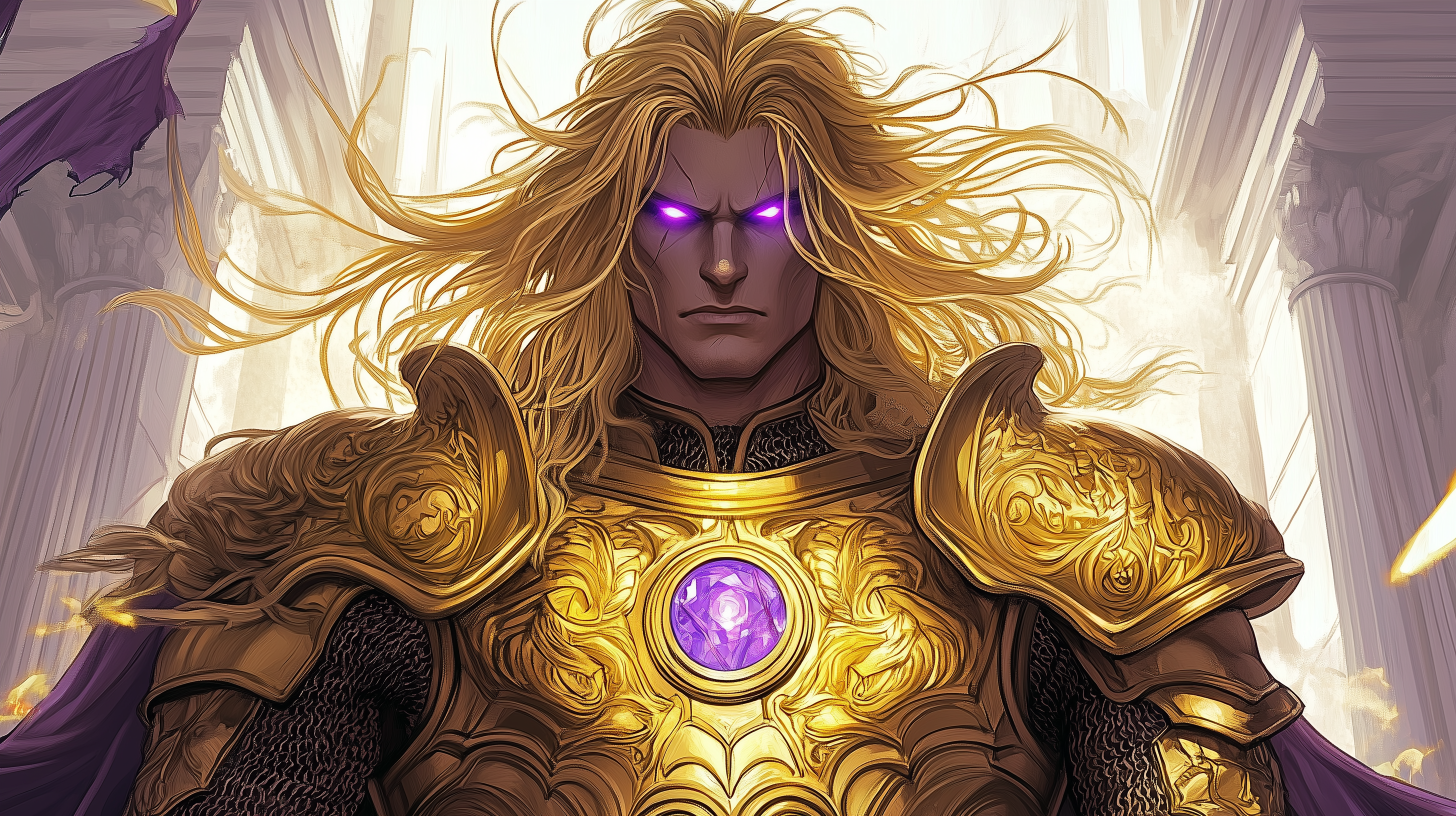
In our latest Pathfinder – Age of Worms campaign session (Editor’s Note: that’s Session 41 for the three of you keeping track), the party’s journey to Tymon for the Champion’s Games took an unexpected turn, plunging them into a tense encounter with desperate mercenaries and unveiling ominous glimpses of the larger threats lurking in the shadows. From a chaotic battle at a forest encampment to the chilling arrival of Saint Alduin and whispers of dark conspiracies surrounding Loris Raknian, this session was packed with drama, danger, and revelations.
For those so inclined, you can find more of our Age of Worms session summaries on our World Anvil page HERE!
The Fixers’ Camp
The day started simply enough. A quiet road, the kind of road that doesn’t give much back—just dirt and trees and the occasional bird. But then Cal’s eyes caught it: a little glint in the dirt, something small that didn’t belong. A poker chip from the Wavestone. That’s the funny thing about small things—they can drag a person into big trouble. Many of the passengers aboard the Wavestone had travelled this road the past day. However, only one had spent enough time in the Wavestone’s casino to still have a poker chip to his name – the Ruinlord’s coach/manager Ekalim Smallcask.
The trail wound into the woods, opening into a clearing that smelled like smoke, oil and desperation. Gears, vials, and half-finished machines littered the place like a junkyard for broken dreams. And there they were, the Fixers—a gang of tinkering misfits who’d bitten off more than they could chew. In the middle of it all was Ekalim, tied to a post but warning the Fixers that they wouldn’t like the outcome if his team were to find him.
The Ruinlords found him. The Fixers didn’t like the outcome.
Tike, Dunner, and Alfie tried to talk their way out of a fight, but Tike’s stare—the kind of thing that makes your skin itch—didn’t do them any favors. The Fixers twitched like over-wound clocks, and then everything unravelled. The fight was short, sharp, and mean like most fights are. When it was over, the ground was soaked, the air stank of burnt metal, and the Fixers were done—most of them dead, one tied to the same post as Ekalim. Fair’s fair, after all.
In the quiet after the storm, the party searched the camp while Ekalim, shaking off his bonds, muttered something about the Fixers’ debts and how the people they owed wouldn’t take kindly to losing their muscle. His voice wavered just enough to let the Ruinlords know he believed it.
Arrival at Tent City
The road ended at Tymon, where the city rose like a promise or a threat—maybe both. The walls were high, the banners snapping in the wind, and the noise was relentless: the clatter of merchants, the shouts of gladiators, the hum of a place that knew something big was coming. Tent City sprawled outside the gates like a carnival gone to seed, colorful and chaotic, with the kind of tension that clings to the skin.
At the Dusty Pavilion, the party met Tessara, a half-elf former gladiator with a bad limp, a sharp tongue and sharper eyes, and Gorik, a dwarf who looked like he could pour a drink and break a nose in the same motion. While Ekalim went off to “gather information” (whatever that meant), Cal leaned on magic to dig deeper into the shadows. What came up wasn’t pretty. Loris Raknian, the man behind the Champion’s Games, was a name people didn’t say too loud. They talked about a ruthless man who feared getting old and kept his grip on power by whatever means necessary. But the whispers went deeper, darker.
Saint Alduin’s Arrival
And then came the night.
The fires of Tent City flickered, casting shadows that twisted and stretched as the crowd pulsed with life. It felt safe enough, or at least safer than it had any right to. But that was before the air changed before the hum of voices stopped dead like the whole place had forgotten how to breathe.
Saint Alduin didn’t just arrive—he descended. Golden armor lit like it had been forged in the sun, radiating power that pressed down on everything like a fist. A gladiator—a man with more pride than sense—shouted something stupid. Alduin didn’t answer. He didn’t have to. A single beam of light erupted from his helm. When it was over, the gladiator wasn’t there anymore. Just a smear of ash on the ground surrounding a few pieces of bone.
The crowd froze. And then Alduin smiled. Not a real smile—it was too sharp, too practiced, the kind of thing that belonged on the face of a man who didn’t believe in kindness. His purple eyes cut through the night like blades, and when they found the party, they could feel the weight of him, the knowing in his gaze.
“I’ve heard about you,” he said, his voice quiet but full of something else. A promise, maybe.
Or a warning.

5 Overlooked GM Secrets That Will Wow Your Players
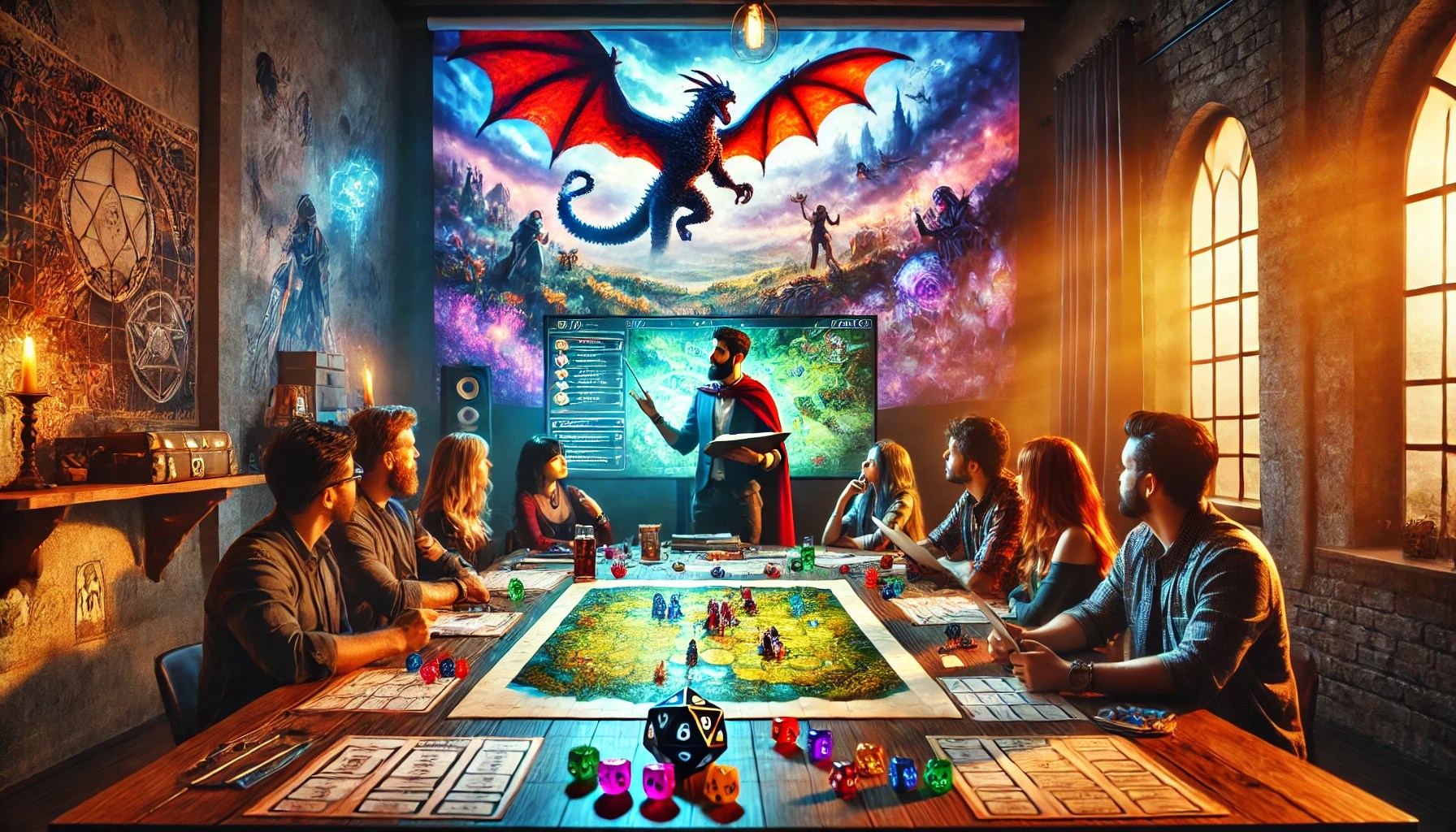
Whether you’re running Pathfinder, Dungeons and Dragons, or any other tabletop RPG, it’s easy as a Game Master to get lost in the sprawling to-do list that comes with running said tabletop RPG. You’re juggling story arcs, encounter designs, and the ever-elusive question: What’s going to make my players rave about this session?
I’ve been there. I’ve prepped hours of lore that no one cared about, thrown random encounters that got people looking at their phones rather than their character sheets, and even lost control of sessions because we spiraled into off-topic chaos. But I’ve also had moments where everything clicked—when players were so immersed, minutes ticked by like seconds.
Recently, I came across a video (linked below) that breaks down seven overlooked elements GMs often miss but players love. Let me share a few of those highlights, plus examples of how I’ve stumbled, learned, and nailed these ideas at my table.
1. Moral Dilemmas
Players “love” being faced with tough choices. It’s not about good versus evil but about weighing trade-offs and consequences. I use quotation marks because some players prefer to play in Murderhobo mode, consequences be damned.
💡 Pro Tip: Make sure both options have pros and cons—no easy wins here!
2. Be Generous with Information
Have you ever watched your players flounder, unsure what to do, while you sit there thinking, The answer is right there, guys!? Turns out, sometimes we need to throw them a bone.
It’s easy to forget that players have a “flashlight view” of their surroundings. They see what’s directly in front of them and a little bit of what’s behind them as it fades into the darkness. Refreshers, reminders, and some strong hints and clues can help keep things fresh in their minds.
💡 Pro Tip: Especially in non-mystery games, offer enough clues to keep the story moving. Players don’t have access to your notes, after all!
3. Manage the Game
This one hit home for me. Early in my GM days, I’d let tangents derail entire sessions. While jokes and side stories are fun, too much chaos can kill the momentum.
Now, I start on time (or as close as possible), gently redirect when we veer off-course, and use initiatives or turns to keep combat smooth. It’s made sessions feel tighter and more satisfying.
💡 Pro Tip: Be flexible but firm. A light reminder like, “Let’s bring it back to the game,” keeps things moving without being a buzzkill.
4. Make Travel Interesting or Skip It
Travel sessions used to bore me and my players—until I started treating the journey like part of the story.
In one campaign travel session, I replaced random encounters with a mysterious landmark: a crude dam in the middle of a river that shouldn’t have been there. The players investigated, theorized, and role-played their reactions. That one detail made the trek memorable without adding extra prep. Sadly, that campaign ended before the foreshadowing could have paid off, but such is the nature of the game.
💡 Pro Tip: If travel doesn’t advance the story or characters, skip it. When it does, tie it to the world or plot in meaningful ways.
5. Run Challenging Combats
We all want our players to feel heroic, but if every fight is a cakewalk, it loses its thrill. This point could be a full-blown post all on its own. There’s so many factors that can make this a tight balancing act, but when it gets pulled off it hits different.
💡 Pro Tip: Don’t be afraid to push your players. High-stakes battles are what legends are made of.
Bonus Tips
- Use Modules: Pre-made adventures save time and often include puzzles, traps, and creative NPCs.
- Surprise Them: A unique monster or unexpected twist keeps players on their toes.
The Takeaway
Players don’t always notice the hours you spend behind the screen, but they do notice when a session feels alive, engaging, and fun. By focusing on these areas—as well as the ones discussed in the video below—you’ll create experiences your group will never forget.
Check out the video from The DM Lair (linked below) for even more insights, and let me know in the comments: Which of these tips are you most excited to try? Or share your own GM successes (or fails)!
Let’s make every session legendary.





 Rokk Talk