Blog Archives

Unlocking the 2024 Dungeon Master’s Guide for All RPGs
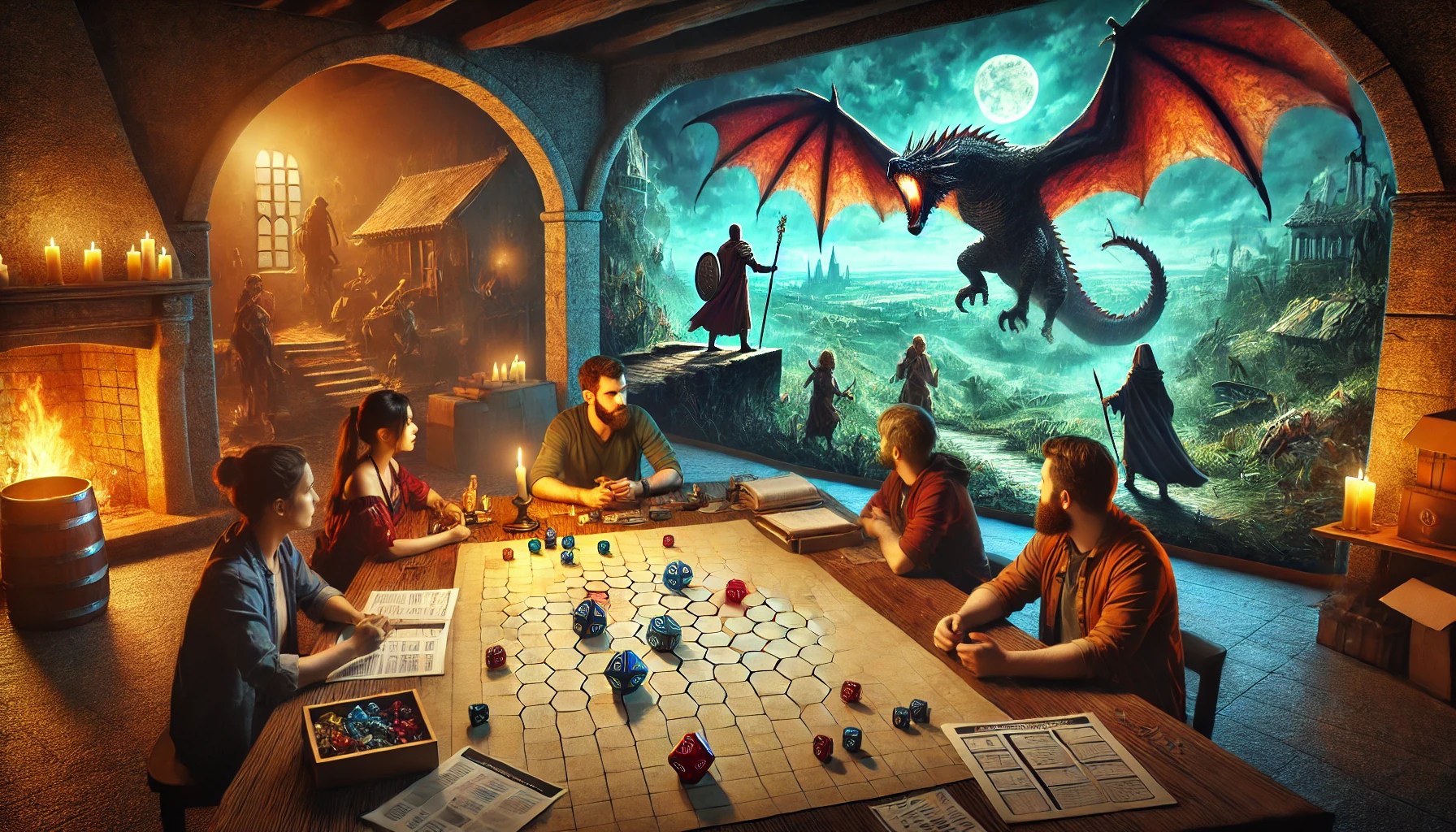
When Chris Perkins started breaking down the changes coming to the 2024 Dungeon Master’s Guide (DMG), I couldn’t help but get excited. As someone who mostly runs Pathfinder First Edition, I was initially skeptical—how relevant would these updates be to my games? Turns out, still relevant. These tips aren’t tied to a single system but focus on what makes a campaign memorable: engaging your players, building dynamic stories, and adapting to the unexpected. Universal truths.
Here’s a closer look at what the updated DMG offers and how I’ve already started weaving these ideas into my campaigns.
Laying the Foundation: Understanding Your Players
Every great campaign starts with knowing your players. The DMG emphasizes player preferences, encouraging DMs to chat with their group before the first session about what they want from the game. Do they crave swashbuckling pirate escapades or gritty supernatural horror? High fantasy heroics or morally gray intrigue?
I did this for my most recent campaign. I polled my players and gave them a few theme options. That conversation saved me hours of prep time—I knew exactly what to focus on and what to skip.
💡 Pro Tip: Keep these preferences in mind as the campaign evolves. Players’ tastes might shift, and checking in regularly can keep things fresh.
Hooking Players from the Start
One of the important updates is the emphasis on character hooks and motivations. The DMG suggests tying characters into the world through personal stakes: rivalries, family ties, or unique goals. It even includes tracking sheets to help DMs record quirks, motivations, and relationships.
In a recent Pathfinder campaign, I used this approach to great effect. One player’s witch was hunting for her missing siblings. By weaving the backstory into the campaign, sessions felt personal. And trust me, nothing lights up a table like a villain taunting a character about their tragic past.
Managing the Chaos: Session and Campaign Tools
The updated DMG introduces tools for session tracking, character management, and campaign continuity—all of which can save you from that “Wait, what happened last session?” moment.
- Session Journals: Templates for tracking NPCs, decisions, and in-game events make it easy to pick up where you left off.
- Character Tracking Sheets: Log what your players love most about the game (combat, exploration, roleplay) and tailor encounters accordingly.
I’ve kept an online journal for my campaigns, jotting down key moments after each session. It’s been a lifesaver, especially for recurring NPCs and long-term plot threads.
Dynamic Adventures: Episodic vs. Serialized
One of the DMG’s highlights is its advice on balancing episodic adventures (self-contained stories) with serialized campaigns (long-term arcs). Both styles have their strengths, and combining them can create a rich, engaging experience.
💡 Pro Tip: Throw in “special episodes,” like festivals or one-offs, to lighten the tone or explore something unusual.
Layering Conflict and Themes
The DMG encourages DMs to design campaigns with multi-layered conflicts. Think of it as weaving short-term goals (stop a goblin raid) into long-term threats (uncover a cult trying to summon a god). This approach keeps players engaged on multiple levels.
Rolling with the Punches: Player-Driven Stories
One of the DMG’s biggest takeaways is flexibility. Perkins stresses that campaigns should adapt to player decisions and dice rolls. The most memorable moments often come from improvisation.
I’ll never forget a session where my players completely derailed my plans by developing a tangible hatred for a minor NPC villain. What started as a throwaway villain turned into the campaign’s new BBEG, complete with his own side quests and character arc.
Ending Campaigns with Style
Wrapping up a campaign is no small feat, but the DMG provides tools for meaningful conclusions, whether planned or unexpected. It encourages DMs to collaborate with players on epilogues or character arcs, ensuring everyone gets closure.
In one campaign, I ended with epilogues tailored to each character. The wizard turned to dark and evil magical studies, the grippli swashbuckler became a full-blown swashbuckler, and the witch opened Sandpoint’s first hair salon. Those final moments left everyone feeling like their journey mattered.
Inspiration for Pathfinder and Beyond
Even if you’re not running D&D, these tips are incredibly versatile. I’ve used these ideas in my Pathfinder campaigns, tweaking pre-made adventures to suit my players’ preferences and weaving personal stakes into the narrative. The 2024 DMG’s focus on creativity, player engagement, and flexibility makes it a valuable resource for any GM.
Final Thoughts
The 2024 Dungeon Master’s Guide emphasizes what makes tabletop RPGs so special: the collaboration between players and GMs to create a shared story. Whether you’re running D&D, Pathfinder, or another system, its tips on campaign design, character integration, and adaptive storytelling can help elevate your games.
Have you tried any of these ideas in your campaigns? Share your stories in the comments, and check out the video (linked below) for more insights! Let’s keep crafting adventures worth remembering.




 Rokk Talk