Blog Archives

Unlocking the 2024 Dungeon Master’s Guide for All RPGs
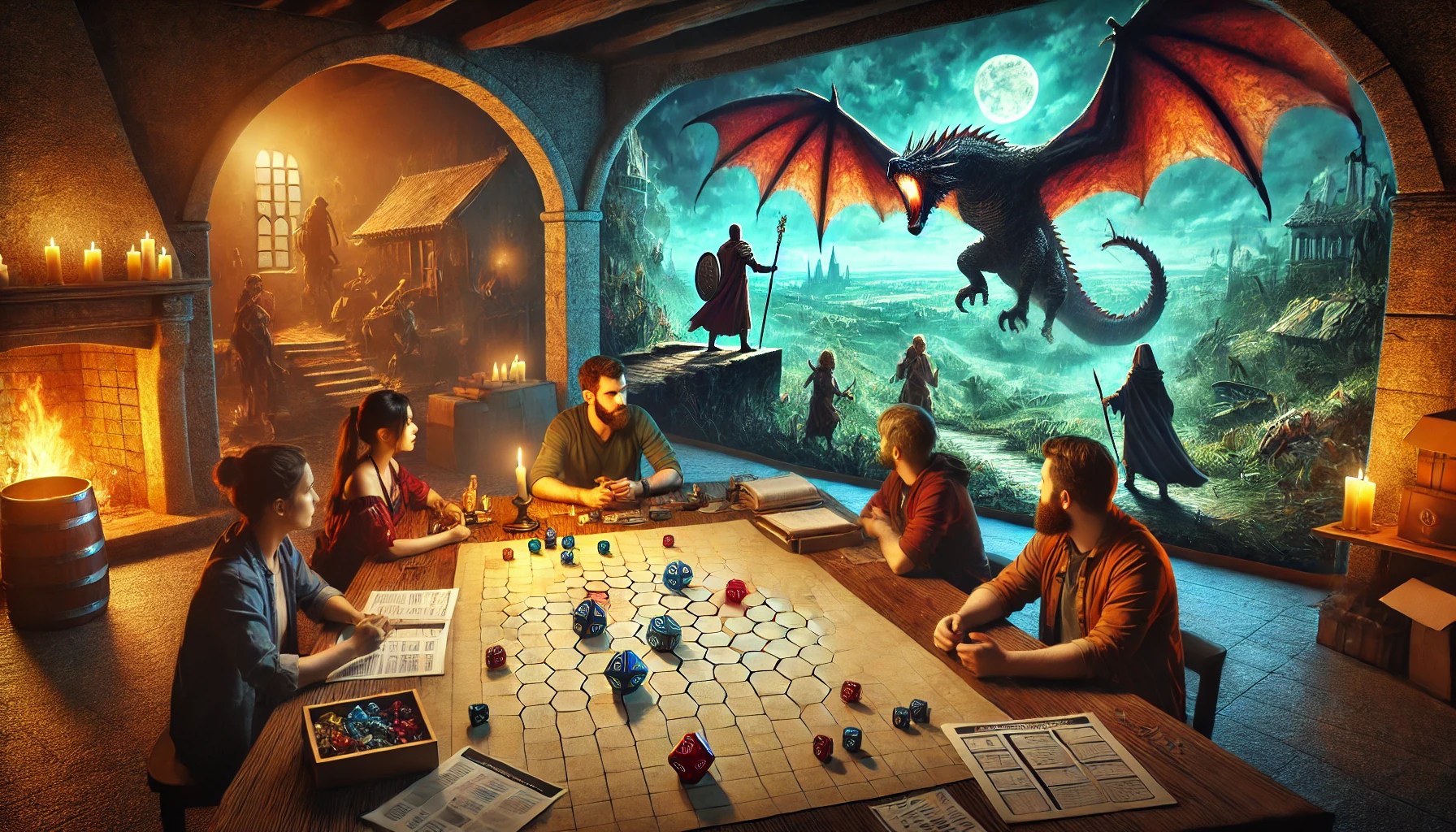
When Chris Perkins started breaking down the changes coming to the 2024 Dungeon Master’s Guide (DMG), I couldn’t help but get excited. As someone who mostly runs Pathfinder First Edition, I was initially skeptical—how relevant would these updates be to my games? Turns out, still relevant. These tips aren’t tied to a single system but focus on what makes a campaign memorable: engaging your players, building dynamic stories, and adapting to the unexpected. Universal truths.
Here’s a closer look at what the updated DMG offers and how I’ve already started weaving these ideas into my campaigns.
Laying the Foundation: Understanding Your Players
Every great campaign starts with knowing your players. The DMG emphasizes player preferences, encouraging DMs to chat with their group before the first session about what they want from the game. Do they crave swashbuckling pirate escapades or gritty supernatural horror? High fantasy heroics or morally gray intrigue?
I did this for my most recent campaign. I polled my players and gave them a few theme options. That conversation saved me hours of prep time—I knew exactly what to focus on and what to skip.
💡 Pro Tip: Keep these preferences in mind as the campaign evolves. Players’ tastes might shift, and checking in regularly can keep things fresh.
Hooking Players from the Start
One of the important updates is the emphasis on character hooks and motivations. The DMG suggests tying characters into the world through personal stakes: rivalries, family ties, or unique goals. It even includes tracking sheets to help DMs record quirks, motivations, and relationships.
In a recent Pathfinder campaign, I used this approach to great effect. One player’s witch was hunting for her missing siblings. By weaving the backstory into the campaign, sessions felt personal. And trust me, nothing lights up a table like a villain taunting a character about their tragic past.
Managing the Chaos: Session and Campaign Tools
The updated DMG introduces tools for session tracking, character management, and campaign continuity—all of which can save you from that “Wait, what happened last session?” moment.
- Session Journals: Templates for tracking NPCs, decisions, and in-game events make it easy to pick up where you left off.
- Character Tracking Sheets: Log what your players love most about the game (combat, exploration, roleplay) and tailor encounters accordingly.
I’ve kept an online journal for my campaigns, jotting down key moments after each session. It’s been a lifesaver, especially for recurring NPCs and long-term plot threads.
Dynamic Adventures: Episodic vs. Serialized
One of the DMG’s highlights is its advice on balancing episodic adventures (self-contained stories) with serialized campaigns (long-term arcs). Both styles have their strengths, and combining them can create a rich, engaging experience.
💡 Pro Tip: Throw in “special episodes,” like festivals or one-offs, to lighten the tone or explore something unusual.
Layering Conflict and Themes
The DMG encourages DMs to design campaigns with multi-layered conflicts. Think of it as weaving short-term goals (stop a goblin raid) into long-term threats (uncover a cult trying to summon a god). This approach keeps players engaged on multiple levels.
Rolling with the Punches: Player-Driven Stories
One of the DMG’s biggest takeaways is flexibility. Perkins stresses that campaigns should adapt to player decisions and dice rolls. The most memorable moments often come from improvisation.
I’ll never forget a session where my players completely derailed my plans by developing a tangible hatred for a minor NPC villain. What started as a throwaway villain turned into the campaign’s new BBEG, complete with his own side quests and character arc.
Ending Campaigns with Style
Wrapping up a campaign is no small feat, but the DMG provides tools for meaningful conclusions, whether planned or unexpected. It encourages DMs to collaborate with players on epilogues or character arcs, ensuring everyone gets closure.
In one campaign, I ended with epilogues tailored to each character. The wizard turned to dark and evil magical studies, the grippli swashbuckler became a full-blown swashbuckler, and the witch opened Sandpoint’s first hair salon. Those final moments left everyone feeling like their journey mattered.
Inspiration for Pathfinder and Beyond
Even if you’re not running D&D, these tips are incredibly versatile. I’ve used these ideas in my Pathfinder campaigns, tweaking pre-made adventures to suit my players’ preferences and weaving personal stakes into the narrative. The 2024 DMG’s focus on creativity, player engagement, and flexibility makes it a valuable resource for any GM.
Final Thoughts
The 2024 Dungeon Master’s Guide emphasizes what makes tabletop RPGs so special: the collaboration between players and GMs to create a shared story. Whether you’re running D&D, Pathfinder, or another system, its tips on campaign design, character integration, and adaptive storytelling can help elevate your games.
Have you tried any of these ideas in your campaigns? Share your stories in the comments, and check out the video (linked below) for more insights! Let’s keep crafting adventures worth remembering.

Unleashing the New 2024 D&D Dragons in My Pathfinder Game
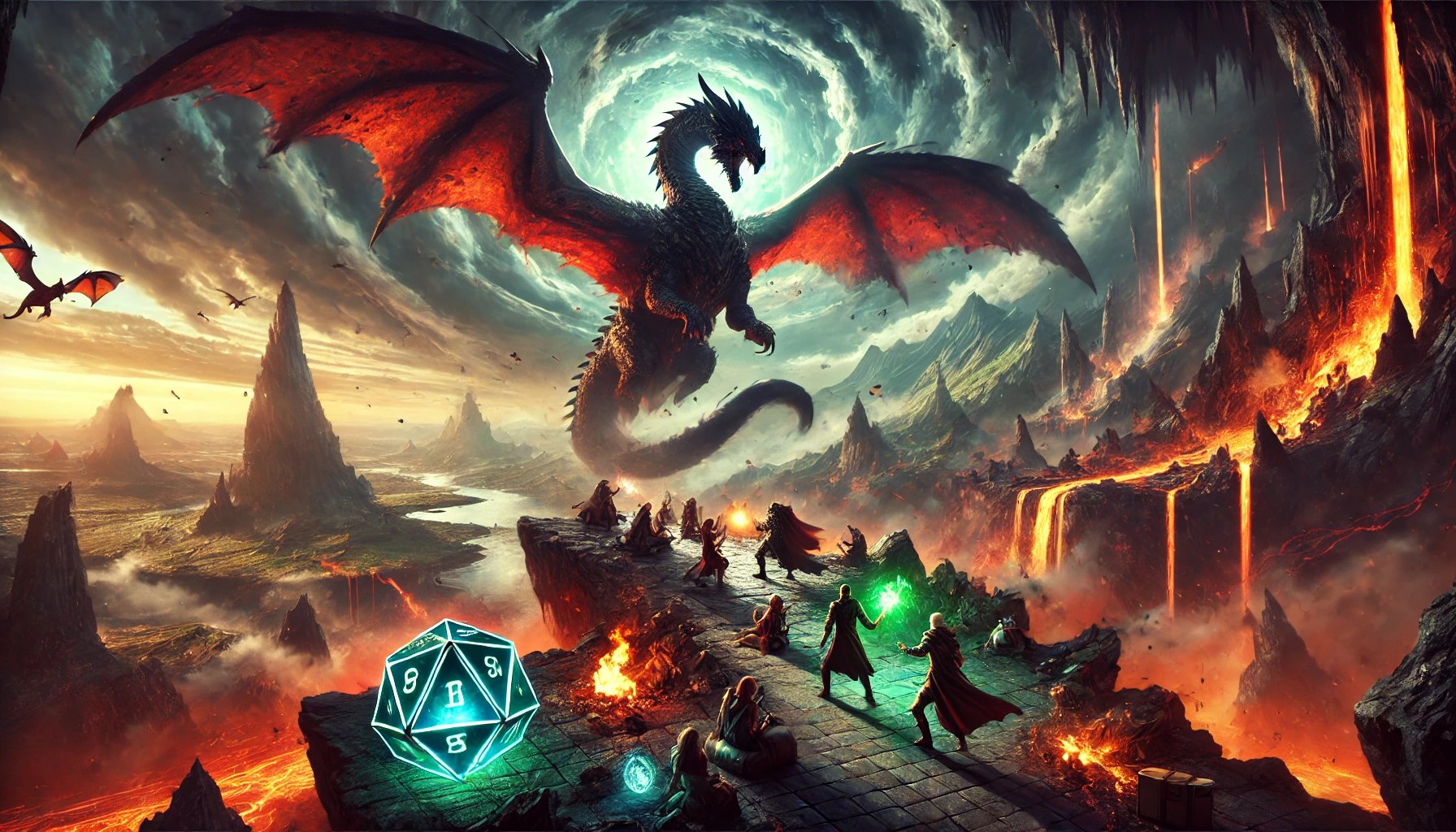
When I heard about the dragon updates in the 2024 Dungeons & Dragons Monster Manual (on sale February 18th, 2025), I couldn’t resist digging into the details. Dragons are the apex of fantasy monsters, full stop. These changes aim to make them feel as legendary in gameplay as they are in lore.
While I’m a die-hard Pathfinder First Edition GM, these updates are too good to ignore. I’m already planning to integrate some of these changes into my game, and I’ll walk you through why they’re a game-changer (pun intended).
Dragons, Elevated: What’s New?
If you’ve ever run a dragon encounter and felt it didn’t live up to the hype, you’re not alone. The new Monster Manual seems to have taken that criticism to heart, overhauling dragons to be more dynamic, dangerous, and memorable. Here’s what caught my eye:
1. Dragons with Complex Mechanics
Dragons are no longer just big lizards with hit points and a breath weapon. They’ve gained mechanical depth, especially at higher challenge ratings.
- Spellcasting Built In:
Adult and ancient dragons now include spells that reflect their cunning and magical nature.- Example: A black dragon can hurl acid with Vitriolic Sphere, while a green dragon can twist minds with Modify Memory or Geas.
- For Pathfinder, I’m considering changing my dragons to have more thematic spells. Why does an adult red dragon not cast Fireball or Wall of Fire?
- Legendary Actions with Personality:
Each dragon’s legendary actions now align with its temperament.- Red dragons dominate others with their commanding presence, while black dragons summon swarms or unleash sonic booms.
- I’ll be tweaking my homebrewed Pathfinder legendary abilities to reflect this, like giving a blue dragon a “storm surge” to call down lightning on enemies.
2. Distinctive Personalities and Lore
One of the more interesting updates is how dragons feel unique at every life stage. They’re no longer just “a bigger version of the same dragon” as they age.
- Chromatic Dragons:
Their destructive tendencies are tied to their themes.- Black dragons thrive on decay, often surrounded by undead minions.
- Red dragons are tyrannical rulers who hoard treasures and command armies.
- For my Pathfinder games, I’m leaning into the undead angle for black dragons. Imagine a necromantic black dragon raising skeletal knights to guard its lair.
- Metallic Dragons:
Now considered heroic but flawed, metallic dragons are no longer perfect do-gooders.- Gold dragons might see themselves as stewards of ancient duties, clashing with adventurers who disrupt their plans (which they tend to do on the regular.)
- Silver dragons, chivalrous and overconfident, could drag your players into their overzealous schemes.
- I love the idea of a silver dragon recruiting the party for a “heroic” crusade, only to discover the mission is more reckless and morally gray than it originally appeared.
3. Artistic Inspiration
The new art direction for dragons is impressive. Each image tells a story, from green dragons lurking in shadowy swamps to ancient red dragons surveying volcanic peaks. It’s a reminder that dragons are more than combat encounters—they’re world-shaping entities, as they should be.
For my Pathfinder games, these visuals are pure motivational gold. I’m already planning to rework lairs to reflect the personality and environment of each dragon. A blue dragon’s cavern, for instance, might crackle with static electricity, while a green dragon’s swamp could ooze with toxic, bubbling pools.
4. Tactically Rich Encounters
Perhaps the best update is how these changes make dragon encounters more dynamic. Dragons now intelligently use their entire suite of abilities, leveraging their environment and legendary actions.
- Lair Mechanics:
Dragons gain extra legendary actions and resistances in their lairs, turning the environment into a weapon.- For Pathfinder, I’m considering giving lairs regional effects—like volcanic eruptions for red dragons or acid rain for black dragons.
- Long-Range Threats:
Dragons aren’t just melee bruisers anymore. They’re deadly at all ranges, with spells, mobility, and legendary actions to dominate the battlefield, which they sorely needed.
Why These Changes Matter
Dragons should feel like epic encounters, not just a tougher troll with wings. These updates elevate dragons to their rightful place as the pinnacle of fantasy monsters, both in combat and story.
Even if you’re running Pathfinder like me, these ideas are easy to adapt. By incorporating thematic spells, tailored legendary actions, and distinct lair mechanics, you can make your dragons unforgettable.
Final Thoughts
Whether you’re a D&D or Pathfinder GM, the 2024 Monster Manual updates are worth exploring. They add mechanical complexity, rich lore, and breathtaking visuals that breathe new life into these iconic creatures.
I’ll definitely be tweaking my Pathfinder dragons with these ideas—what about you? How do you make your dragon encounters legendary? Share your tips in the comments, and don’t forget to check out the video for more inspiration!




 Rokk Talk