
Age of Worms Session 50: The Vox Eidolon
Previously…
Battered from Tymon’s fall and haunted by sacrifice, the Ruinlords fled down the Sellen aboard the Sandfly. Captain Lorune, desperate and indebted, planned to sell his prized iron golem armor in Salisgrad to keep his ship afloat. Wounds festered, both old and new—Tike’s soul still scarred, Alfie’s healing stretched thin.
At dusk beneath a ruined bridge, shadows struck. Ebon Triad cultists ambushed the ship, joined by a worm-ridden Seer and the devil Arnyx—now branded with the Triad’s mark. He demanded Voragon Drakon’s head. He got steel and fire instead. Cal’s flames tore through the ambushers. Potato silenced a fleeing cultist. Alfie bled, Oathgar struck true, and Tike crushed the devil to ash.
By dawn, only questions remained—etched in worm-script and blood—as the Sandfly drifted toward Salisgrad.
What’s all this then?
Want to know what happens when the devil’s debts come due and the worm-prophets scream louder than the gods? Follow our Age of Worms Pathfinder 1e campaign right HERE, where fire answers prophecy, death isn’t final, and the river runs dark.
23 Erastus (July), 4725
Rain slicked the deck of the Sandfly as it drifted into Salisgrad’s harbor, the stormlight making the city’s magical runes pulse like veins beneath stone skin. The sky spat mist as two city watch and a pair of ironclad sentinels boarded the ship in silence, steel helms gleaming dull under cloudlight. Then came the Blessed Angel, wings of smoldering flame trailing smoke as she descended onto the gangplank without a word.
Captain Joseph Lorune spoke first, eyes still tired and haunted. He admitted having fled Tymon as the city fell. The party mentioned their delivery for Bishop , Senior Officer of the Black Gauntlet, and interest shifted sharply. The name opened doors. The death of an Ebon Triad High Councilor—revealed, perhaps unintentionally, through Lorune—sealed their appointment with the Black Gauntlet.
The Ruinlords were led through corridors of metal and warding runes to a chamber paneled in steel and veined with blue abjuration crystals, humming with restrained power. Bishop waited. Cold. Precise. He wanted to question the relic they carried: the skull of Voragon Drakon. When told of Dunner’s death, he nodded once and began arranging the retrieval of the body, belongings, and honors befitting one who had struck at the Triad’s core.
What followed was not conversation. It wasn’t a ritual. It was an interrogation of the dead.
Damaris Glimmerstone—formerly known as Thistlefoot Glimmerstone—took the conduit’s seat beneath the arch of the Vox Eidolon, a device that blurred the lines between the arcane and the occult. Brass thorns pierced his skull as his soul and mind became one with the dead. Voragon’s voice returned, hollow and resentful, echoing through the halfling. From his withered skull, truths spilled like black water: prophecies still unfulfilled, the Triad’s unholy relics, and of the Faceless One—the architect threading the darkness between them. The Amulet of the Worldbreaker, shattered by the party, had crippled the Triad’s progress. The end goal was to use the three magic items possessed by the High Council once the prophecies were fulfilled. Now, one of the items was destroyed. The heroes rejoiced at potentially stopping the coming of the Ebon Triad’s Overgod known as Malgorath.
Then the rift opened, and the celebration died on the spot.
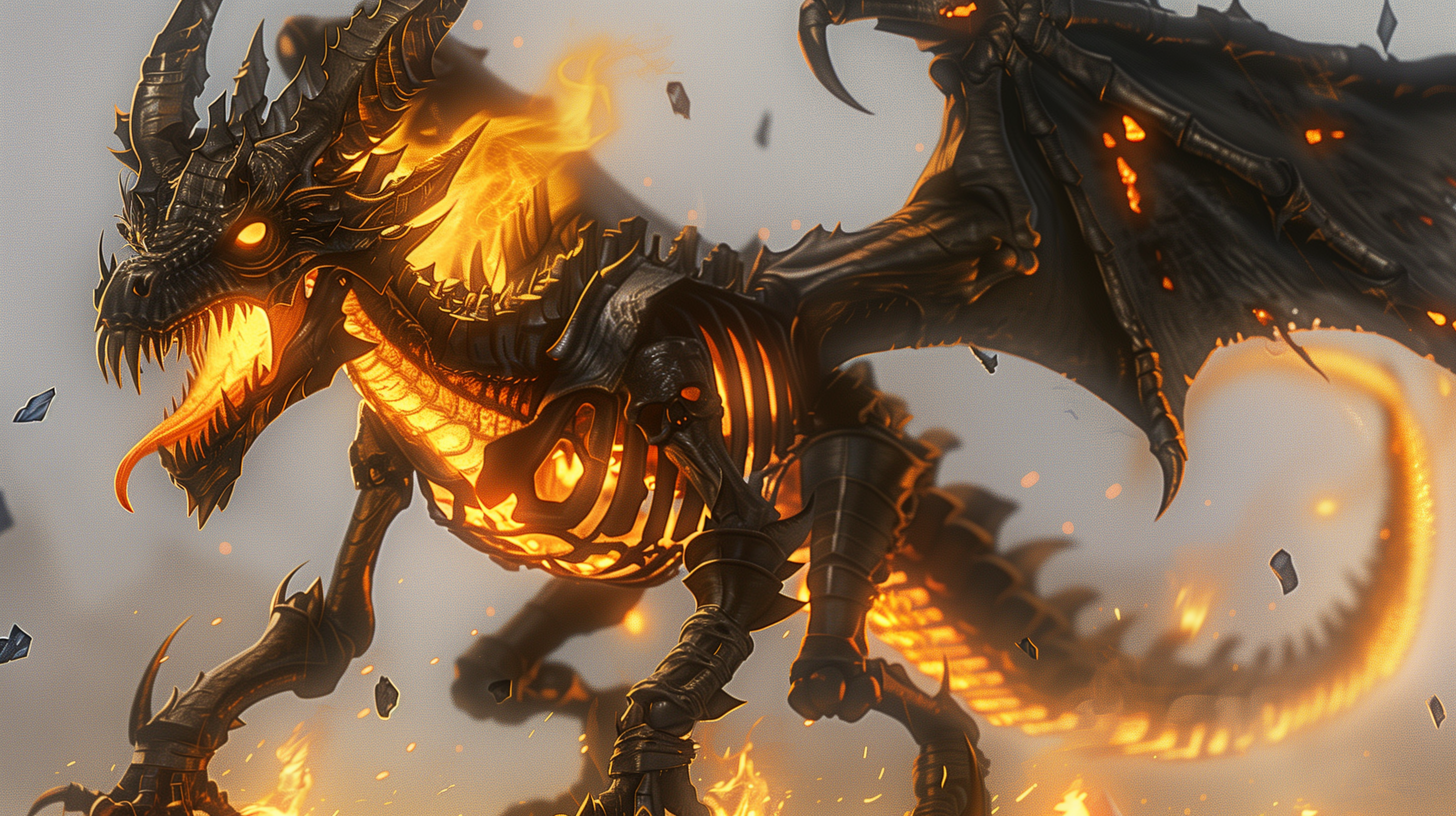
Ash boiled from the tear, and from it came the Emberwrought Shade of Dahak—a skeletal wyrm wreathed in fireless heat, its breath an entangling storm of iron chains and scorched memory torn from Voragon’s divine connection to the evil dragon god. Bishop sealed the chamber with a pulse of force, a protection protocol to keep the creature from escaping.
It also meant the Ruinlords would be unable to retreat. Not that the option was ever on the table anyway.
Declan’s voice rose like a battle hymn, magic and fate coiling in harmony. Alfie used his healing magic to undo the damage dealt by the shade while his owlbear Potato, wide-eyed but unyielding, darted through the fray. Cal, ever precise, whispered the syllables of Boneshatter and collapsed ribs with surgical cruelty. Oathgar drew blood, blade flashing through the smoke. Tike, bruised and growling, took the final steps, driving his fist into the Shade’s core. It exploded in soulfire.
Silence. Then Bishop lowered the seal.
Moments later, the door opened—no knock, no permission. A woman entered, skin pale, lips crimson, wrapped in a red negligee that defied armor and dared defiance. With a smile that wasn’t a smile, she informed Bishop that Prince Eli Voronov had summoned the party for a personal audience. Bishop started to protest, but he caught his tongue. The word of Prince Voronov was final.
She took the skull. She took the broken Amulet. She took the party.
And just like that, the balance shifted again.

Best Ways to Gear Up Alts Fast in WoW War Within Season 2 (2025 Guide)
If you’re gearing up a fresh alt or returning character in World of Warcraft: War Within Season 2, this post will walk you through every relevant method to accelerate the process, from undercoin spending and warbound gear to PvP, dinars, and even timewalking exploits. Whether you’re jumping back into WoW or optimizing your 5th alt, here’s how to efficiently catch up.
1. Veteran Gear from Delves (Undercoins & Wave Scramblers)
Start with Sir Finley Mrrgglton in Dornogal. Once you’ve progressed far enough in the Delver’s Journey (Battle Pass-style system), you can use Undercoins to buy Veteran 623/8 gear that upgrades to 645. This is better than last season’s Adventurer gear and can be mailed between characters.
Tips:
- Undercoins aren’t always warbound, but the gear is.
- Wave Scramblers summon Delve bosses, rewarding maps and gear, especially useful at high-tier delves.
- Even doing one delve a week makes meaningful progress on the journey.
2. Enchanted Weathered Undermine Crests
Crafted gear is another strong starting point. Combine Enchanted Weathered Undermine Crests with rare gear recipes to craft 629 ilvl gear, including two embellished pieces.
Sources of Weathered Crests:
- Outdoor activities, LFR, low-tier delves, heroic dungeons.
- Renown turn-ins (especially on new alts with pre-existing account renown).
- You can downgrade Carved Crests into Weathered ones.
3. Warbound Gear (WoE & World Bosses)
Check your Warbound bank for leftover gear—addons like BetterBags or WeakAuras help track it. Weekly world bosses guarantee a Champion track warbound piece, great for stocking up before you even level an alt.
4. Dinars (Puzzling Cartel Chips)
Run 4 bosses from raid or M+ to earn Cartel Chips (3 from the first clear, then 1 per week). You can purchase Hero track weapons, rare trinkets, and other best-in-slot gear.
Key tips:
- Limited to 9 total chips per character lifetime.
- You don’t need to run Mythic—LFR counts.
- Prioritize powerful raid weapons or trinkets for best return.
5. Cyrce’s Circlet & Upcoming Delve Belt
The Cyrce’s Circlet (patch 11.0.7) remains viable until dual Myth track rings. Upgrade it via Siren’s Isle content—or look into alternative methods (ahem, party sync “shortcuts”).
Coming June 17 (patch 11.1.7): A powerful Delve Belt, expected to scale to ilvl 700+. Avoid crafting or purchasing belts until then.
6. Auction House BOEs
If you’ve got gold but no time, Auction House BOEs can jumpstart gearing:
- Look for Veteran or Champion track items.
- Prices vary by slot and server economy—check often.
- Don’t overspend on slots soon to be replaced by guaranteed drops or crafted items.
7. Renown Rewards & Reputation Vendors
Many renown milestones give relevant crests and gear:
- Even on fresh characters, pre-earned account renown unlocks these instantly.
- Cartels of Undermine offers Champion gear (e.g., gloves at Renown 14, boots at 7) and crafting mats.
- Use resonance crystals instead of undercoins.
8. Nightfall Events (Flame’s Radiance)
These hourly events offer Champion track tokens on a weekly basis. Just complete the scenario and redeem the token for a gear piece of your choice.
Benefits:
- Deterministic gearing (pick your slot).
- Adds crests and valor stones on the side.
- Works even if you’re only semi-active on that character.
9. Horrific Visions (Coming Soon)
Launching next reset: Horrific Visions return with 2+ Hero track pieces per week and high-quality rewards. Harder than Delves but worth it—especially for characters that can solo or group efficiently.
10. PvP Gear (Bloody Tokens & Conquest)
PvP is surprisingly efficient:
- Sparks of War quest = 1,000+ Bloody Tokens.
- Purchase Veteran track 4/8 gear (better than 1/8 delve vendor gear).
- Conquest buys Champion gear (e.g., wrists, helms—socketable with Prized Jeweler Settings).
- 1,400+ rating unlocks Warbound PvP boxes—send to alts.
Even casual PvP players can benefit from a few weekly quests or war mode runs.
11. Valor Stones (Warbound Currency)
You can now transfer Valor Stones between characters (20% loss). Cap is 2,000 per character, so shift them around to avoid wasting gains.
Efficient Valor Sources:
- World Soul Memories (5 Radiant Echoes = up to 400 stones).
- Chatliss Quests (Undermine faction).
- LFR Bosses now reward more Valor + Crests (especially the last two).
12. Catalyst & Tier Set Crafting
Use the Catalyst to convert any seasonal gear into tier pieces. You likely have enough Essence of Kamesh to complete your 4-piece set by now.
13. Timewalking Events & Skips
Huge sleeper tip: Timewalking Raids (e.g., Black Temple, Ulduar, Firelands) let you:
- Complete the Timewalking weekly raid/dungeon quest.
- Kill the final boss for a Hero track item.
Search “skip” groups in Group Finder:
- These raids are pre-cleared except for the last boss.
- Join, kill, loot, repeat weekly.
14. Mythic Zeros & Weekly Events
Other high-yield activities:
- M0 Dungeons drop Champion gear up to 658.
- Weekly dungeon quests (e.g., 4 Mythics) = Hero raid piece.
- Delve Bonus Weeks = Champion gear.
Final Thoughts
Even if you’re completely new or returning from a long break, War Within Season 2 has layered systems that make gearing manageable—if you know where to look.
Prioritize these based on:
- How many alts you’re managing.
- Your available gold vs. time.
- Whether you’re aiming for high-end content or just functional gear for casual play.
Happy gearing!




 Rokk Talk