Category Archives: Blog

Age of Worms Session 46: Last Breath of Tymon
Previously…
Chaos engulfed the Arena of Aroden as the Ruinlords faced Lorien Thalorin, whose body became a vessel for the monstrous titan, Xaathuun. Lorien barely contained the creature, collapsing from the strain. Saint Alduin mockingly questioned the heroes about Lorien’s fate, as unsettling truths emerged about Lahana’s past defiance of Loris Raknian. During their championship bout against Vixus and Khellek, disaster struck—the ground shattered, unleashing a horrific wormlike apostle summoned by Raknian himself. Panic erupted, leaving the Ruinlords caught between deadly enemies and the awakening nightmare beneath Tymon.
What’s All This About Then?
Read up on our previous Age of Worms campaign sessions right here.
Sky of Ash and Prophecy
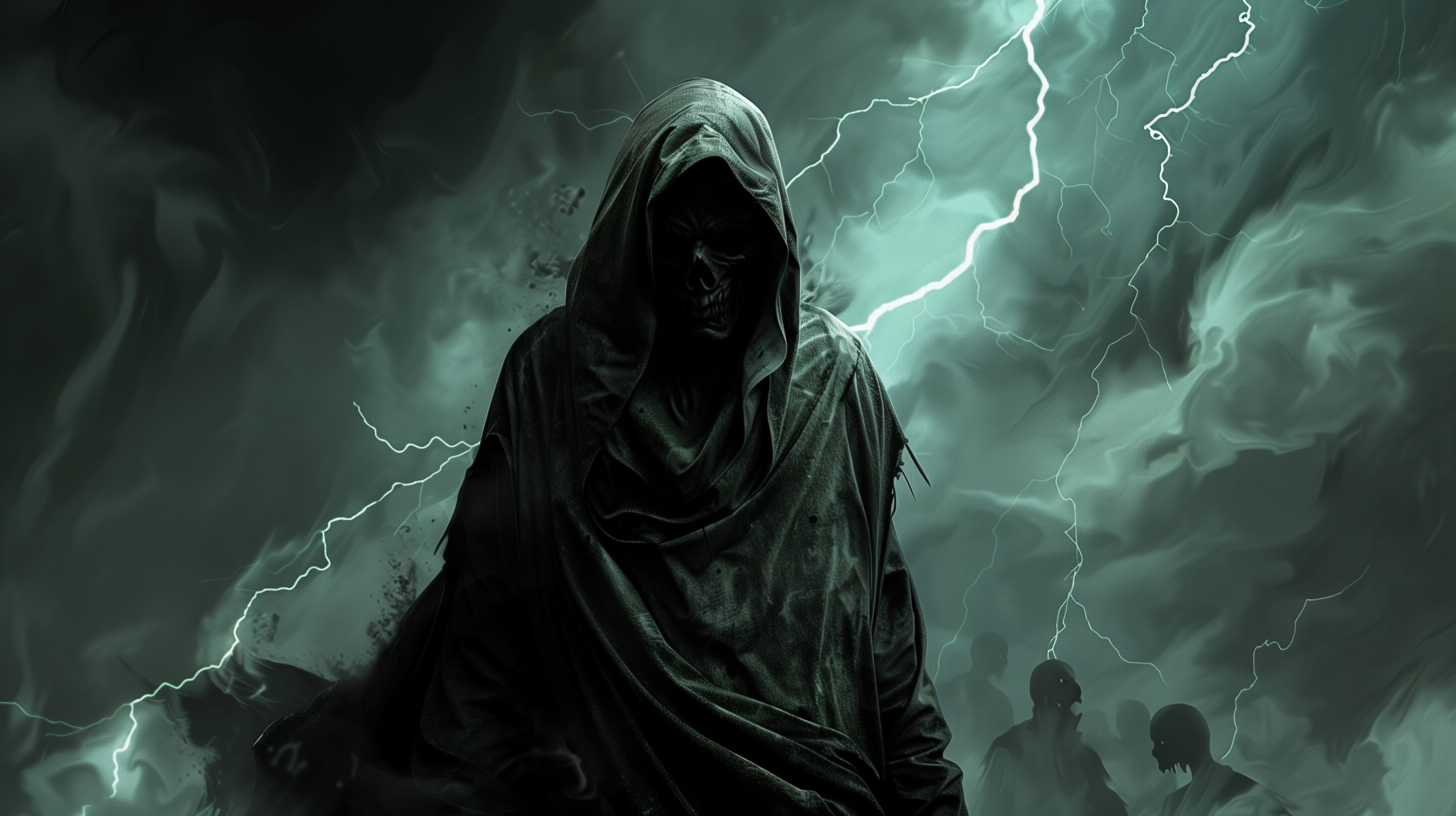
The sky above Tymon was wrong. Not just strange, not just troubling, but deeply, irrevocably wrong—the kind of wrong that crawled inside your skull and scratched at the backs of your eyeballs. Clouds twisted above the city in sick, sluggish spirals colored like bruises gone bad, deep purples and rotten yellows. The sun lurked behind that greasy haze, dull and dying, smothered by centuries of soot and forgotten grief. Green lightning flared silently overhead, flashes illuminating the Arena of Aroden with a jittery, epileptic glow. No thunder accompanied these eldritch lights, only a low, relentless drone felt deep in the marrow, a noise like distant hornets trapped behind thin walls. Above it all, a vortex slowly tightened, like a great eye opening to stare hungrily down upon the world below. From somewhere unseen, a bell tolled once, resonating through bone and soul. As it echoed, the words of an ancient prophecy scraped themselves into the minds of those unfortunate enough to be there: “On the eve of the Age of Worms, a hero of the pit shall use his fame to gift a city to the dead.”
Death in the Pit
The Ruinlords, battered and exhausted, had stood their ground in the center of the blood-stained sands as that prophecy unfolded in grim finality. Opposite them reared the Apostle of Kyuss, the monstrous ulgurstasta summoned by Loris Raknian—once Tymon’s beloved hero, now its executioner. Cal, ever alert, had seen it coming. The mage shouted a frantic warning to Vixus, the arena’s reigning champion, who stood bewildered, his face pale beneath layers of grime and blood. “Get clear!” Cal screamed, voice tight with desperation. Vixus staggered backward, eyes wide with fear—but fear was no shield. The ulgurstasta opened its maw, impossibly wide, and spewed forth a flood of acidic death, thick as bile and black as tar. It surged outward, stripping vitality and hope from those unlucky enough to be caught. The Ruinlords felt their strength drain away, their limbs heavy as lead. But Vixus, weakened already, took the full brunt. The acid melted through his armor, his skin blistering, muscles dissolving, his scream choking off before it began. He fell, little more than a ragdoll onto the sand, and moved no more. Until he did. Filled with the green worms of Kyuss.
Awakening of the Dead
In that terrible silence, the Apostle of Kyuss shivered and shuddered, its ragged flesh knitting together at unnatural speed, as if Vixus’s life had been exactly the feast it needed. And then, the sands began to stir. Faces emerged—spectral, tortured, and furious—from beneath the stained arena floor, rising from shadowed corners, seeping from cracks in stone. The dead of Tymon had returned: gladiators slaughtered for sport, criminals whose blood the crowd had long forgotten, the faceless masses who’d been swallowed whole by sand and spectacle. They poured upward, a shrieking whirlwind of wretched souls. All around, spectators gasped, eyes bulging, fingers clawing at chests as spirits tore the life from their bodies. The dead rose quickly, changed and hideous, eyes burning sickly green, their claw-like hands clutching at anything still breathing, infecting, spreading, turning panic into plague. Chaos surged outward from the arena, unstoppable and ravenous.
Raknian’s Triumph
High above, atop the battlements, stood Loris Raknian. His skin blackened, cracking open as armor grew obscenely from bone and marrow. Beneath him appeared a nightmare steed, a creature born from smoke and shadow, eyes blazing red, nostrils flaring with dark fire. Raknian’s voice cut sharply across the screams: “The pit’s debts are paid. The prophecy is fulfilled. A hero of the pit has gifted this city to the dead.” His eyes burned with fanatical triumph. “Kyuss stirs, and the Age of Worms is upon you. No more kingdoms. No more gods. Only the feast!” Laughing, Raknian drove his nightmare steed forward, galloping into empty air and vanishing as if swallowed by a deeper darkness. Tymon fell, and the Ruinlords were trapped in its dying heart.
Desperate Escape
In a final act of desperate magic, Vaz’non conjured a roaring wall of flame, shielding them from the advancing horror, if only briefly. He grabbed hold of Tike, whose fierce strength was now fading fast, and Dunner, steadfast and grim-eyed, and whispered words of arcane power. Reality cracked open, and the trio appeared on the far side of the arena’s massive doors. Dunner heaved open the gates. Cal, Alfie, and Potato stumbled through, ragged and gasping for breath. But respite lasted only a heartbeat. Tike, the warrior whose fists had carried them through countless battles, staggered suddenly, face going pale as wax. He stared down at his shaking hands, realization dawning that the potion he’d swallowed earlier—the magic that held his shredded body together—was fading. Without healing, he wouldn’t last the night.
Race to the Harbor
There was no time to mourn, only to run. The Ruinlords hastily plotted their escape—reach the harbor, commandeer a ship, and sail far from this nightmare. There, perhaps, they could buy enough time for Tike’s survival. But first, they had to get there alive. Behind them, the dead poured through the open gates, a flood of clawing hands and gnashing teeth. Ahead lay the ruined streets of Tymon, consumed by panic, fire, and unending screams. They ran, because running was all that remained.

Unlocking the 2024 Dungeon Master’s Guide for All RPGs
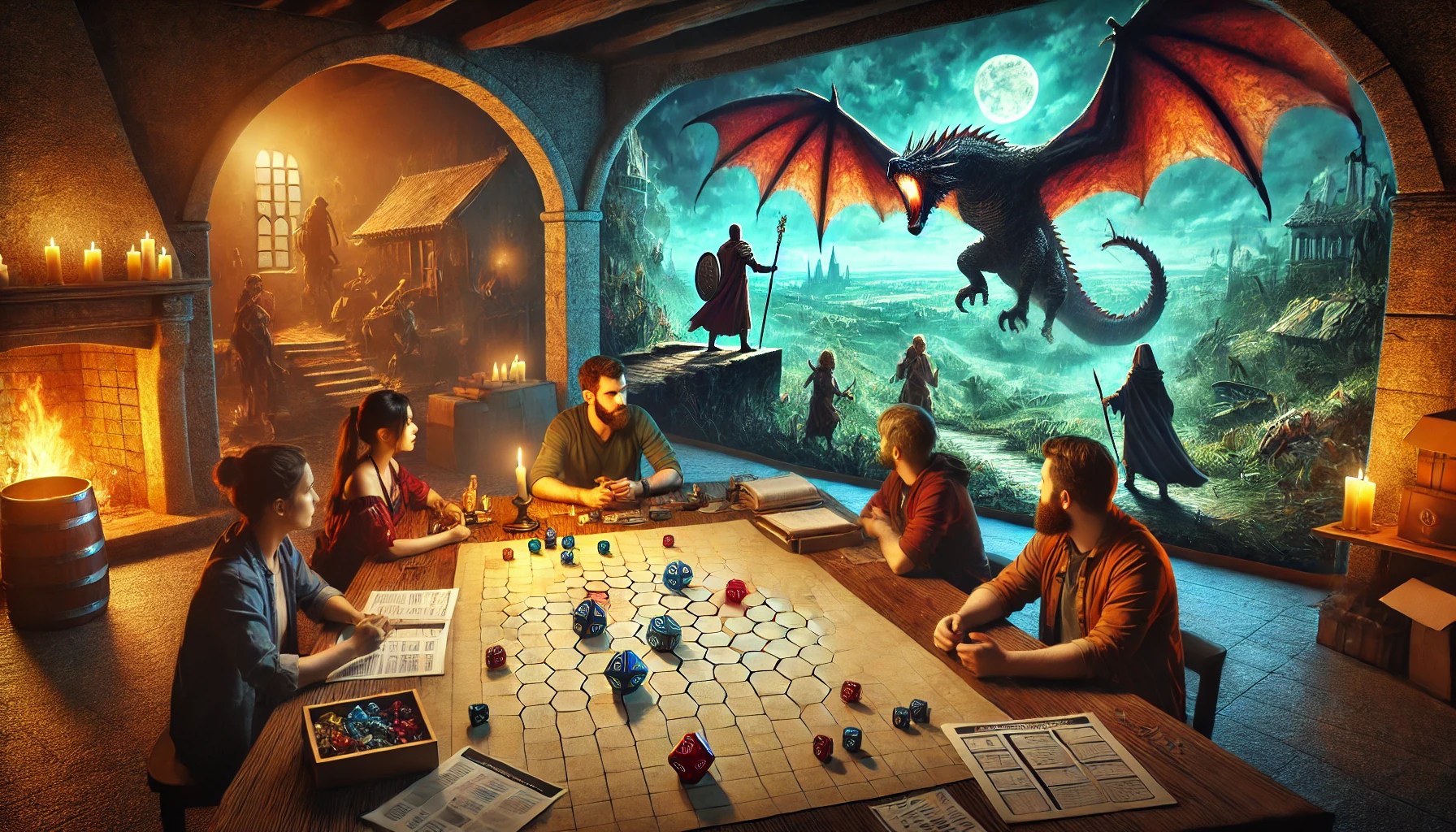
When Chris Perkins started breaking down the changes coming to the 2024 Dungeon Master’s Guide (DMG), I couldn’t help but get excited. As someone who mostly runs Pathfinder First Edition, I was initially skeptical—how relevant would these updates be to my games? Turns out, still relevant. These tips aren’t tied to a single system but focus on what makes a campaign memorable: engaging your players, building dynamic stories, and adapting to the unexpected. Universal truths.
Here’s a closer look at what the updated DMG offers and how I’ve already started weaving these ideas into my campaigns.
Laying the Foundation: Understanding Your Players
Every great campaign starts with knowing your players. The DMG emphasizes player preferences, encouraging DMs to chat with their group before the first session about what they want from the game. Do they crave swashbuckling pirate escapades or gritty supernatural horror? High fantasy heroics or morally gray intrigue?
I did this for my most recent campaign. I polled my players and gave them a few theme options. That conversation saved me hours of prep time—I knew exactly what to focus on and what to skip.
💡 Pro Tip: Keep these preferences in mind as the campaign evolves. Players’ tastes might shift, and checking in regularly can keep things fresh.
Hooking Players from the Start
One of the important updates is the emphasis on character hooks and motivations. The DMG suggests tying characters into the world through personal stakes: rivalries, family ties, or unique goals. It even includes tracking sheets to help DMs record quirks, motivations, and relationships.
In a recent Pathfinder campaign, I used this approach to great effect. One player’s witch was hunting for her missing siblings. By weaving the backstory into the campaign, sessions felt personal. And trust me, nothing lights up a table like a villain taunting a character about their tragic past.
Managing the Chaos: Session and Campaign Tools
The updated DMG introduces tools for session tracking, character management, and campaign continuity—all of which can save you from that “Wait, what happened last session?” moment.
- Session Journals: Templates for tracking NPCs, decisions, and in-game events make it easy to pick up where you left off.
- Character Tracking Sheets: Log what your players love most about the game (combat, exploration, roleplay) and tailor encounters accordingly.
I’ve kept an online journal for my campaigns, jotting down key moments after each session. It’s been a lifesaver, especially for recurring NPCs and long-term plot threads.
Dynamic Adventures: Episodic vs. Serialized
One of the DMG’s highlights is its advice on balancing episodic adventures (self-contained stories) with serialized campaigns (long-term arcs). Both styles have their strengths, and combining them can create a rich, engaging experience.
💡 Pro Tip: Throw in “special episodes,” like festivals or one-offs, to lighten the tone or explore something unusual.
Layering Conflict and Themes
The DMG encourages DMs to design campaigns with multi-layered conflicts. Think of it as weaving short-term goals (stop a goblin raid) into long-term threats (uncover a cult trying to summon a god). This approach keeps players engaged on multiple levels.
Rolling with the Punches: Player-Driven Stories
One of the DMG’s biggest takeaways is flexibility. Perkins stresses that campaigns should adapt to player decisions and dice rolls. The most memorable moments often come from improvisation.
I’ll never forget a session where my players completely derailed my plans by developing a tangible hatred for a minor NPC villain. What started as a throwaway villain turned into the campaign’s new BBEG, complete with his own side quests and character arc.
Ending Campaigns with Style
Wrapping up a campaign is no small feat, but the DMG provides tools for meaningful conclusions, whether planned or unexpected. It encourages DMs to collaborate with players on epilogues or character arcs, ensuring everyone gets closure.
In one campaign, I ended with epilogues tailored to each character. The wizard turned to dark and evil magical studies, the grippli swashbuckler became a full-blown swashbuckler, and the witch opened Sandpoint’s first hair salon. Those final moments left everyone feeling like their journey mattered.
Inspiration for Pathfinder and Beyond
Even if you’re not running D&D, these tips are incredibly versatile. I’ve used these ideas in my Pathfinder campaigns, tweaking pre-made adventures to suit my players’ preferences and weaving personal stakes into the narrative. The 2024 DMG’s focus on creativity, player engagement, and flexibility makes it a valuable resource for any GM.
Final Thoughts
The 2024 Dungeon Master’s Guide emphasizes what makes tabletop RPGs so special: the collaboration between players and GMs to create a shared story. Whether you’re running D&D, Pathfinder, or another system, its tips on campaign design, character integration, and adaptive storytelling can help elevate your games.
Have you tried any of these ideas in your campaigns? Share your stories in the comments, and check out the video (linked below) for more insights! Let’s keep crafting adventures worth remembering.




 Rokk Talk